
Choosing the right Dulux bathroom paint can make or break your renovation. Bathrooms cop constant moisture, steam, and temperature swings, so a standard wall paint won’t cut it. You need a product that resists mould, handles humidity, and still looks sharp years down the track.
At Transformer Homes, we’ve painted our fair share of bathrooms and kitchens across Melbourne’s northern and western suburbs. Through hundreds of builds and renovations, we’ve seen firsthand which Dulux products perform and which ones start peeling within months. That hands-on experience shapes every recommendation in this guide.
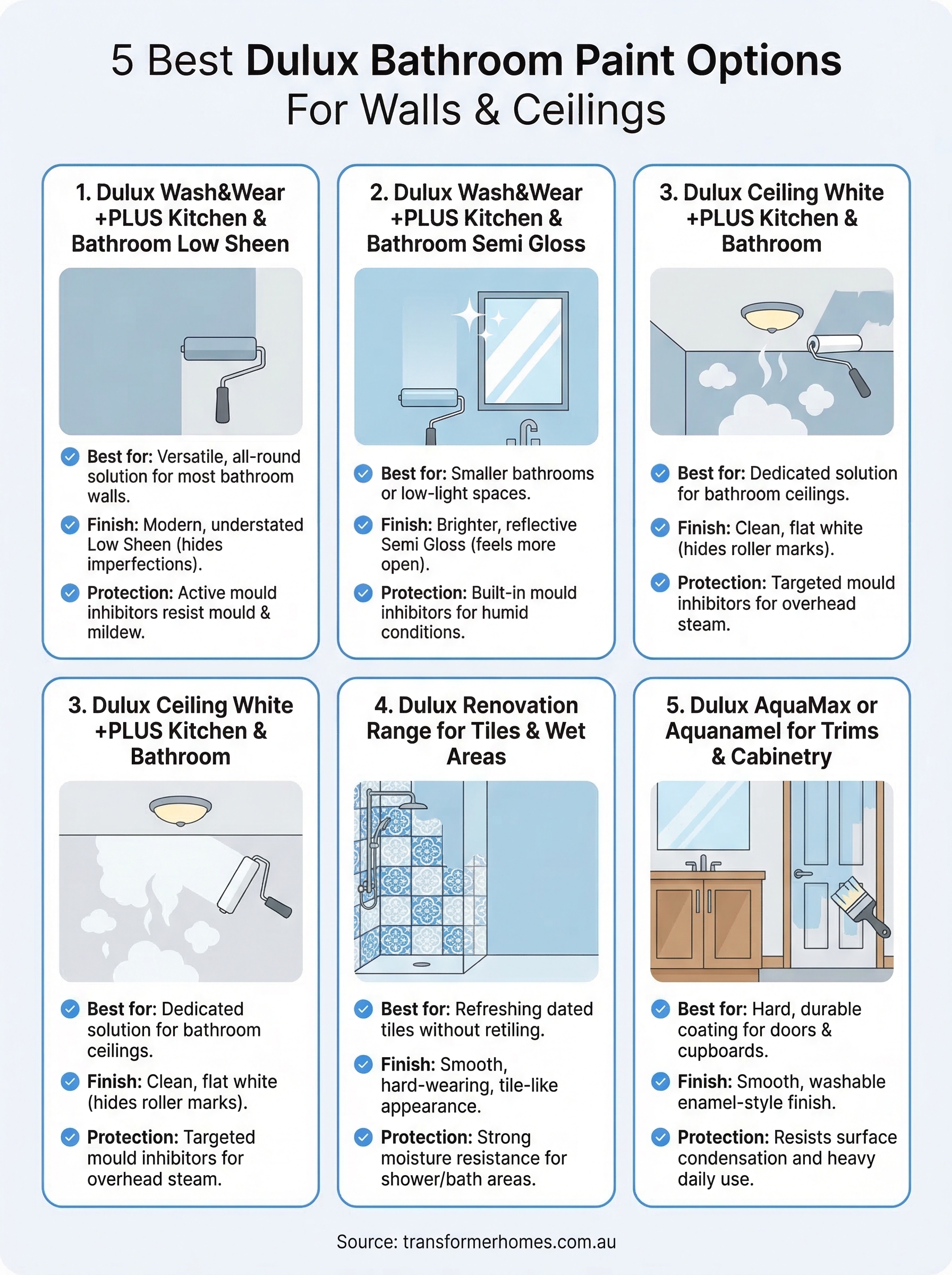
Below, we’ve rounded up five of the best Dulux bathroom paint options for walls and ceilings, covering everything from low sheen and semi-gloss finishes to purpose-built moisture-resistant formulas. Each pick includes the details you actually need: where to use it, what finish to expect, and why it works.
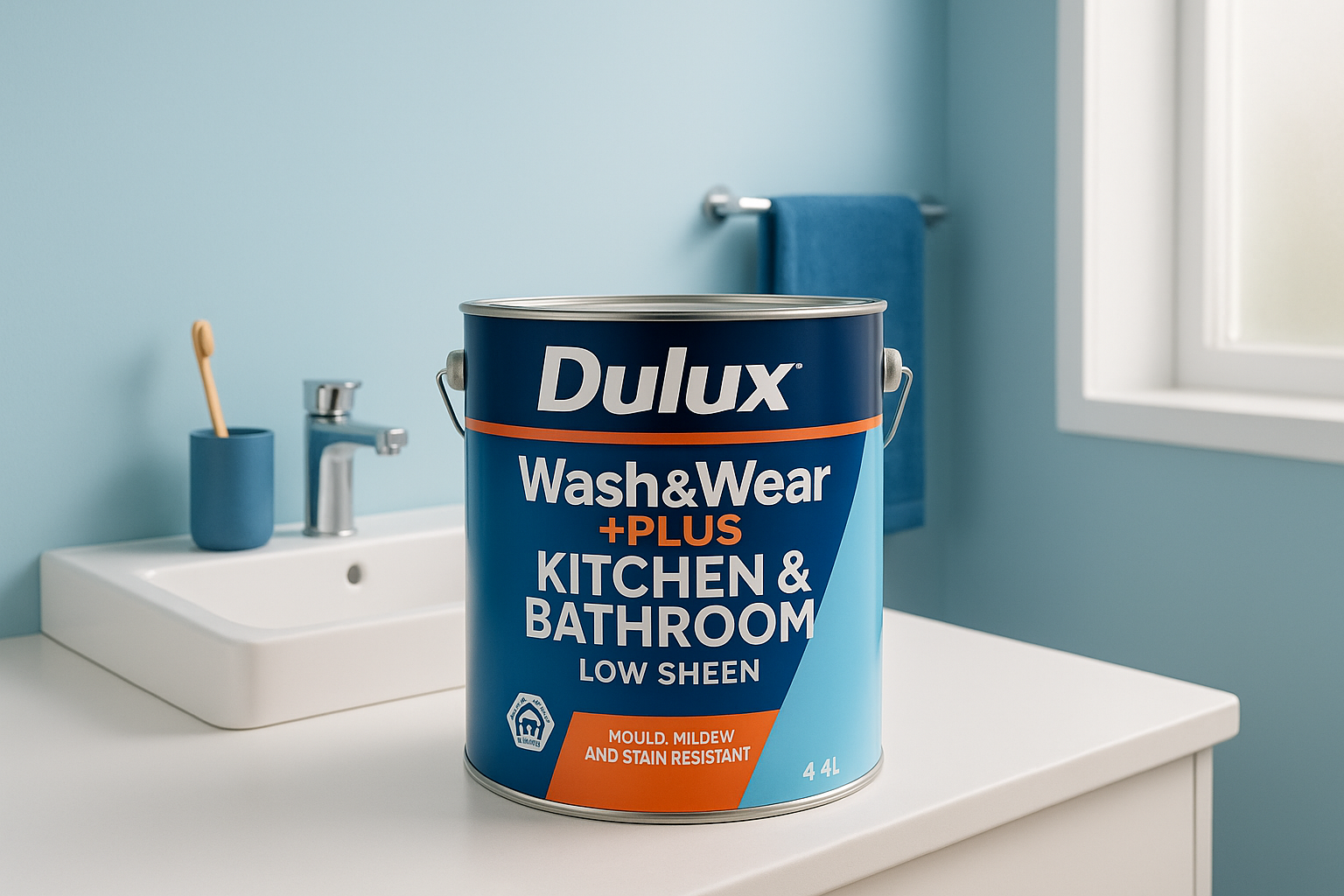
1. Dulux Wash&Wear +PLUS Kitchen & Bathroom Low Sheen
This is the most versatile dulux bathroom paint in the Dulux range and our go-to recommendation for most bathroom wall projects. It’s specifically formulated for high-moisture environments, and it backs that up with real durability across the hundreds of renovations we’ve completed across Melbourne.
Best for
This product suits homeowners who want a reliable, all-round solution for bathroom and kitchen walls. It works best when your bathroom sees heavy daily use or has limited natural ventilation.
Finish and look
The low sheen finish sits between a flat and semi-gloss, giving walls a clean, soft appearance without magnifying every surface imperfection. It reads as modern and understated, which suits both contemporary renovations and period-style homes found throughout Melbourne’s inner north and west.
Mould and moisture protection
Dulux builds active mould inhibitors into this formula, which resist mould and mildew growth directly on the paint film. This matters in bathrooms where steam and condensation settle on walls every day.
The mould resistance works on the paint film itself, so it doesn’t replace proper ventilation or fixing any underlying moisture problems inside your walls.
Where to use it in a bathroom
Apply it to bathroom walls and splashback zones that don’t sit directly inside a shower recess or bath wet area. It bonds well to plasterboard, plaster, and previously painted surfaces that are clean and structurally sound.
Application notes and prep
You’ll get the best finish with two coats applied over a properly prepared surface. Clean the walls, fill any holes, and sand them smooth before you start. If you’re painting over a dark colour or raw plaster, apply a quality primer first to ensure even coverage and proper adhesion.
2. Dulux Wash&Wear +PLUS Kitchen & Bathroom Semi Gloss
When you want higher reflectivity and easier surface cleaning, this is the dulux bathroom paint to reach for. It shares the same moisture-resistant formula as the low sheen version but delivers a noticeably brighter finish.
Best for
This product suits smaller bathrooms or any space where you want surfaces to feel brighter and more open without committing to a high-gloss look.
Finish and look
The semi-gloss sheen reflects light more than the low sheen option, which makes compact bathrooms feel larger. That said, it will highlight surface imperfections, so wall prep matters more here.
Mould and moisture protection
Like the low sheen version, this paint carries built-in mould inhibitors that resist mould growth directly on the paint film in humid, steamy conditions.
Proper ventilation still does most of the heavy lifting; paint alone won’t solve an underlying condensation problem.
Where to use it in a bathroom
Use it on bathroom walls outside wet areas, particularly in spaces with low natural light where the reflective finish adds genuine value.
Application notes and prep
Fill, sand, and prime the surface before applying two coats. The higher sheen will show any inconsistencies in your prep work, so take your time on this step.
3. Dulux Ceiling White +PLUS Kitchen & Bathroom
Most people overlook the ceiling, but it’s one of the most vulnerable surfaces in a bathroom. Steam rises and settles there first, making it a prime spot for mould. This dedicated dulux bathroom paint product targets that exact problem with a formula built specifically for overhead surfaces in wet areas.
Best for
This product suits bathroom and kitchen ceilings that take the full force of daily steam and condensation. It’s purpose-built for the job, so you won’t need to reach for a general-purpose ceiling paint that wasn’t designed for high-humidity conditions.
Finish and look
The flat white finish hides roller marks and minor surface irregularities well. It delivers a clean, bright overhead surface that reflects light evenly without any sheen that could draw attention to imperfections.
Mould and moisture protection
Dulux formulates this paint with built-in mould inhibitors that resist mould growth directly on the paint film. Bathroom ceilings are typically the first place mould appears, so this targeted protection makes a real difference over time.
Good ventilation still prevents the underlying moisture buildup that causes mould to grow behind the paint film.
Where to use it in a bathroom
Apply it to bathroom and kitchen ceilings only. The formula is not designed for wall surfaces, so keep it overhead.
Application notes and prep
Two coats over a primed or previously painted surface gives the best result. Fix any water stains or peeling patches before you start.
4. Dulux Renovation Range for bathroom tiles and wet-area surfaces
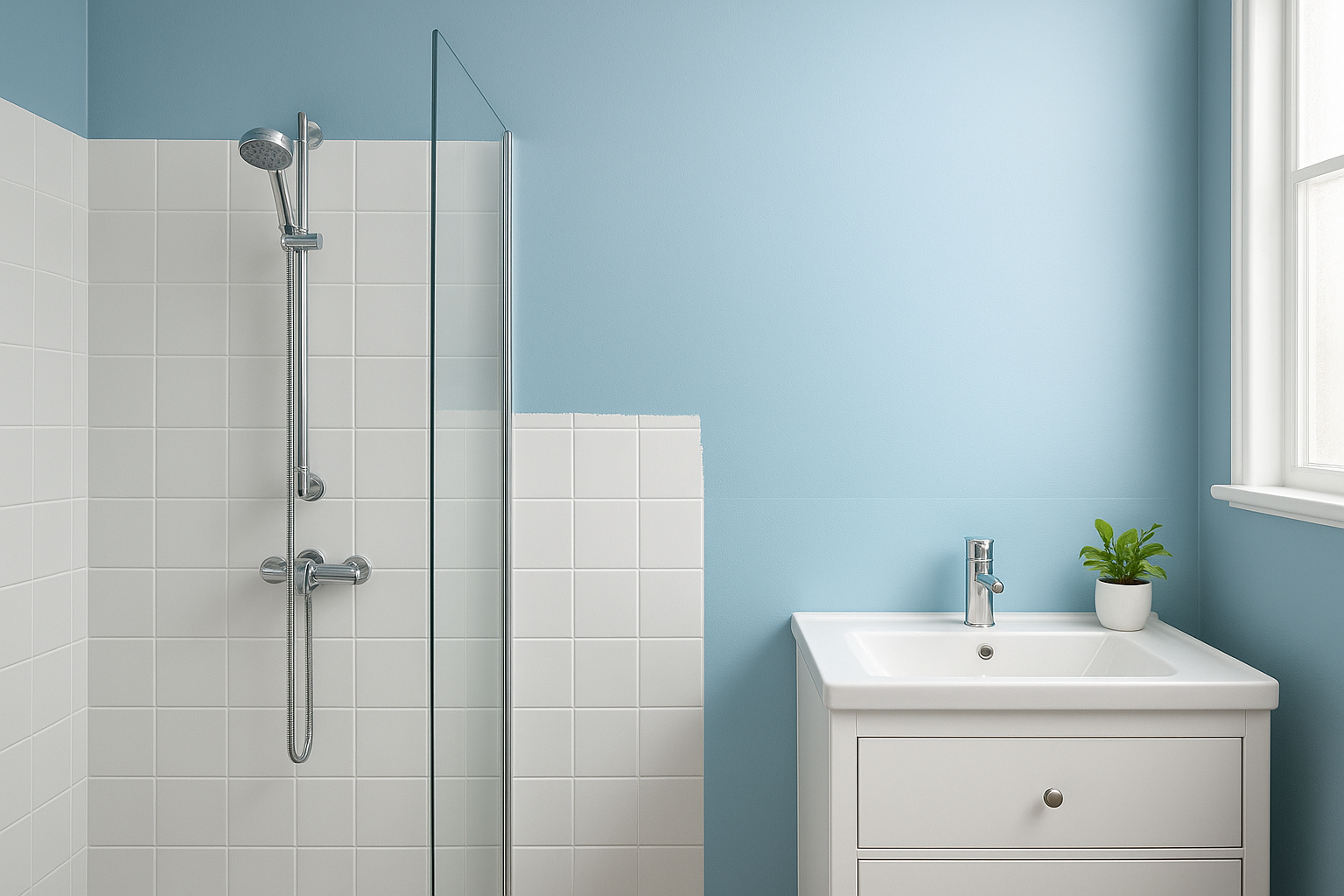
If your bathroom tiles look dated but a full retile isn’t in your budget, this dulux bathroom paint product offers a practical way forward. The Dulux Renovation Range bonds directly to tiles, laminate, and glass without requiring you to strip or demolish the existing surface.
Best for
This product suits homeowners who want to refresh wet-area surfaces without a full renovation. It works particularly well in older bathrooms where tiles are structurally sound but visually outdated.
Finish and look
The finish is smooth and hard-wearing, sitting closer to a semi-gloss that mimics the appearance of a freshly tiled surface. It comes in a range of colours, so you can genuinely modernise a space without replacing a single tile.
Mould and moisture protection
This formula is built for direct wet-area contact, offering stronger moisture resistance than standard wall paints. It holds up well in shower recesses and bath surrounds.
Seal grout lines thoroughly before applying this product, or water will work its way behind the paint film and cause it to lift.
Where to use it in a bathroom
Apply it to tiles, laminate, and glass in these locations:
- Shower recesses
- Bath surrounds
- Splashback zones
Application notes and prep
Clean and degrease every surface before you start. Apply two coats over a quality primer suited to non-porous surfaces to get the most durable, long-lasting result.
5. Dulux AquaMax or Aquanamel for trims, doors and cabinetry
Bathroom doors, trims, and cabinetry take a different kind of punishment than walls. These surfaces need a hard, water-resistant coating that stands up to daily contact, fingerprints, and condensation. Dulux AquaMax and Aquanamel fill this role best as part of a complete dulux bathroom paint approach for the whole room.
Best for
These products suit bathroom trims, skirtings, doors, and cabinetry where a tough, washable surface finish is the priority. AquaMax is a water-based formula, while Aquanamel is a water-based enamel that delivers a particularly hard and durable coating.
Finish and look
Both products produce a smooth, hard enamel-style finish that resists scuffing and surface marks. They come in a wide range of colours, making it easy to match or contrast your wall colour for a cohesive result.
Mould and moisture protection
Your trims and cabinetry need to handle surface condensation and humidity, though neither AquaMax nor Aquanamel carries the same dedicated mould inhibitors found in the kitchen and bathroom wall range.
Keep these products on joinery surfaces rather than walls or wet-area tiles where purpose-built moisture protection matters more.
Where to use it in a bathroom
Apply them to doors, skirtings, architraves, vanity cabinetry, and window frames throughout the bathroom.
Application notes and prep
Lightly sand and clean all surfaces before applying two coats. A bonding primer on bare or previously glossed timber ensures the finish adheres evenly and holds up long term.
Next steps for a mould-free bathroom
Picking the right dulux bathroom paint is only part of the equation. The products above give your bathroom walls, ceilings, and surfaces the best possible protection against mould and moisture, but the finish only holds up when your prep work is solid and your ventilation is adequate. Fix any existing moisture problems before you paint, not after, or you’ll be repainting within a year.
If you’re planning a full bathroom renovation or a complete home transformation, paint decisions are just one detail that stacks up quickly. Working with an experienced builder from the start means every surface gets the right product, applied in the right order, on a properly waterproofed substrate. That approach saves you from costly rectifications further down the track.
Ready to move forward? Talk to the team at Transformer Homes about your next bathroom or home renovation project in Melbourne.
