Melbourne’s Premier Custom Home Builders and Remodelers

visit our location by appointment:

Live Innovations 153 High Street,
Thomastown VIC. 3074

Opening Hours:

Mon-Fri 8am-5pm

Author name: adminbackup

5 Best Bathroom Renovation Company Options In Melbourne 2026
Uncategorized

5 Best Bathroom Renovation Company Options In Melbourne 2026

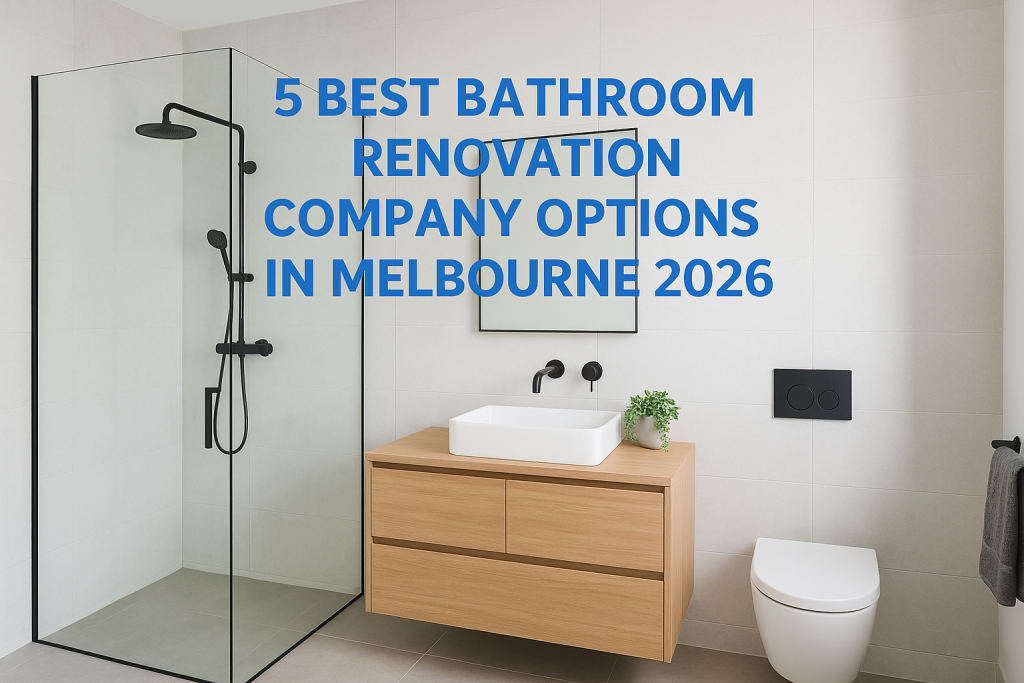
Choosing the right bathroom renovation company in Melbourne isn’t straightforward. There are hundreds of builders and renovators advertising online, and the difference between a great result and a costly headache often comes down to who you trust with the project. At Transformer Homes, we’ve been delivering high-quality renovations across Melbourne’s Northern and Western suburbs for years, so we know what separates a reliable renovation company from one that cuts corners. We also know we’re not the only good option out there, and honest comparisons help homeowners make better decisions. That’s exactly why we put this list together. Below, you’ll find five of the best bathroom renovation companies operating in Melbourne right now, including what they specialise in, where they work, and what kind of project suits each one. Whether you’re updating a small ensuite or gutting a full family bathroom, this guide will help you shortlist the right team. 1. Transformer Homes Transformer Homes is a Melbourne-based residential construction and renovation company with a strong focus on the Northern and Western suburbs. As a full-service builder, they handle everything from custom new builds to complete home renovations, including bathrooms of all sizes. What they do and how they run a bathroom renovation Transformer Homes manages your bathroom renovation as a fully coordinated project, not a collection of separate trades you have to chase yourself. Their team handles design, permits where required, and subcontractor management, so you have one point of contact from start to finish rather than juggling tilers, plumbers, and electricians separately. Best fit for homes and suburbs This company suits homeowners in areas like Northcote, Preston, Thornbury, and the broader Northern and Western Melbourne corridor particularly well. If your home is an older-style property that needs structural attention alongside cosmetic updates, Transformer Homes is well-placed to handle both within the same project scope. Build quality and inclusions to look for The company’s Titanium Difference sets a higher benchmark than most volume builders across Melbourne. You can expect quality fixtures, proper waterproofing, and build standards that go beyond the minimum requirement. Ask specifically about tile grades, tapware brands, and waterproofing membrane systems when reviewing their inclusions list before any work begins. Strong waterproofing is one of the most critical factors in any bathroom renovation, and confirming exactly which membrane system is used before you sign is worth doing every time. Typical pricing and timeline in Melbourne Bathroom renovations in Melbourne generally start from around $15,000 for a basic refresh and increase depending on size, complexity, and finishes chosen. Transformer Homes sits in the mid-to-premium price range, with build timelines typically running four to eight weeks once construction begins on site. Questions to ask before you sign Before committing to any bathroom renovation company in Melbourne, get clear answers to the following: Who manages on-site trades day to day? What warranties cover waterproofing and labour? How are variations and unexpected cost changes handled? 2. Bathroom Builder Melbourne Bathroom Builder Melbourne is a specialist renovation company focused specifically on bathroom and wet area projects across the greater Melbourne metro area. Their narrow scope means they concentrate their resources on one type of project rather than spreading across the full construction spectrum. What they do and how they run a bathroom renovation The company works through a trades-based model, coordinating licensed plumbers, tilers, and electricians under one bathroom renovation scope. You deal directly with their team throughout the process, and they manage scheduling and sequencing of trades to keep the project on track. Specialist bathroom companies often carry deep product relationships, which can translate into faster supply timelines and access to trade-only fixtures. Best fit for homes and suburbs Bathroom Builder Melbourne suits homeowners across a broad range of Melbourne suburbs who need a dedicated bathroom specialist rather than a full-service builder for a standalone renovation project. Build quality and inclusions to look for Ask about their waterproofing standards and tile selection process before signing anything. Confirming that fixtures meet Australian standards is a baseline expectation for any bathroom renovation company Melbourne homeowners consider. Typical pricing and timeline in Melbourne Projects typically fall in the $15,000 to $35,000 range, with timelines running three to six weeks depending on scope and material availability. Questions to ask before you sign Are all trades licensed and insured? What does your warranty cover and for how long? 3. Melbourne Complete Bathrooms Melbourne Complete Bathrooms is a dedicated bathroom renovation specialist operating across the Melbourne metro area. They focus exclusively on bathroom and wet area renovations, handling projects from simple refreshes to complete structural overhauls. What they do and how they run a bathroom renovation Their process starts with an in-home consultation to assess your space and discuss design options before quoting. From there, they coordinate all trades internally, managing the scheduling of plumbers, tilers, and electricians to avoid the delays of running a project yourself. Best fit for homes and suburbs Melbourne Complete Bathrooms works across a wide range of Melbourne suburbs, making them a practical option if you live outside the Northern or Western corridors. They suit homeowners looking for a dedicated bathroom specialist rather than a full-service renovation builder. Choosing a company that works solely in bathrooms means their knowledge of wet area compliance and waterproofing regulations tends to be sharper than a generalist builder’s. Build quality and inclusions to look for When reviewing any bathroom renovation company Melbourne homeowners shortlist, confirm that waterproofing meets Australian Standard AS 3740 and that all fixtures carry manufacturer warranties before you sign anything. Typical pricing and timeline in Melbourne Projects typically sit in the $15,000 to $40,000 range, with timelines of four to seven weeks depending on complexity and material lead times. Questions to ask before you sign Do you carry full public liability insurance and a builder’s warranty? How do you handle unexpected structural issues discovered mid-project? 4. My Bathroom My Bathroom is a Melbourne-based renovation company that focuses on delivering complete bathroom transformations for residential clients across the metro area. Their team handles projects
VicPlan Property Report: How To Generate One For Any Address
Uncategorized

VicPlan Property Report: How To Generate One For Any Address

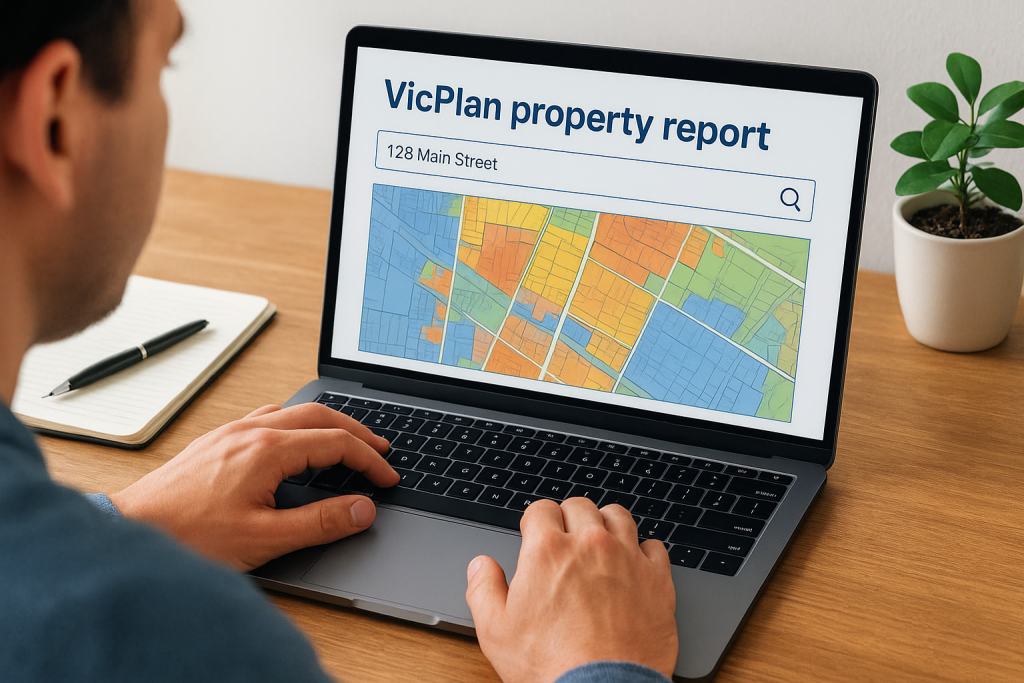
Before you knock down a wall, add a second storey, or plan a dual occupancy build, you need to know what your land actually allows. That’s where the VicPlan property report comes in. It’s a free tool from the Victorian Government that tells you the planning zones, overlays, and scheme provisions that apply to any address in Victoria, and it takes about two minutes to generate one. At Transformer Homes, we walk our Melbourne clients through this step early in every project. Whether you’re planning a custom home build in Thomastown or a renovation in Northcote, understanding your property’s planning controls is the starting point. It shapes what you can build, how high you can go, and whether you’ll need a planning permit before construction begins. This guide shows you exactly how to access VicPlan, generate your property report, and make sense of what’s in it. We’ll also cover what to look out for and when to get professional advice before moving forward with your build. What a VicPlan property report shows A VicPlan property report pulls together the planning information that applies to a specific land parcel in Victoria. It draws directly from the relevant local planning scheme and gives you a snapshot of the legal controls that govern what can and can’t be built on that site. You don’t need an account or any technical knowledge to generate one. Planning zones Your property sits within a specific zone, and that zone determines the primary land use permitted on your lot. Residential zones, for instance, come in several types: General Residential Zone (GRZ): Standard suburban residential land, typically allowing single dwellings, dual occupancy, and small multi-unit developments subject to conditions. Neighbourhood Residential Zone (NRZ): More restrictive, often limiting dwelling numbers and overall density. Residential Growth Zone (RGZ): Encourages higher density development, including townhouses and apartments. Knowing your zone upfront tells you whether your build concept is even worth pursuing before you spend money on design drawings. Overlays Overlays sit on top of zones and add extra layers of control to your property. They can restrict design, materials, or the extent of development. Common overlays include: Heritage Overlay (HO): Applies to properties or precincts with cultural heritage significance. Vegetation Protection Overlay (VPO): Controls tree removal and vegetation clearing. Design and Development Overlay (DDO): Sets specific requirements around building height or setbacks. If your property carries a Heritage Overlay, almost any external change will require a planning permit, even something as minor as painting the fence. Schedules and scheme provisions Each zone and overlay comes with a schedule that adds further detail specific to your local council area. These schedules set out things like minimum lot sizes, garden area requirements, and maximum building heights. The report links you directly to the relevant schedule so you can read the exact provisions that apply to your land. Step 1. Open VicPlan and search the address VicPlan is hosted on the official Victorian Government planning website. Open your browser and go to planning.vic.gov.au, then select VicPlan from the tools menu. The platform is free to use and runs in any modern browser, so you don’t need to download anything or create an account to generate a VicPlan property report. Entering your address Once the map loads, type your full street address into the search bar at the top left of the screen. Include the suburb and postcode to avoid pulling up multiple results. For example, entering "45 Smith Street, Thornbury 3071" will return a precise match rather than a list of partial results spread across different councils. Always confirm the pin drops on the correct parcel before proceeding, especially on corner lots or properties with multiple frontages. If the address doesn’t return a result, try entering the lot number and title reference instead. You can find this information on your Certificate of Title, which your conveyancer or the Land Use Victoria portal can supply. Once the correct parcel is highlighted on the map, you’re ready to move to step 2. Step 2. Generate the report and confirm the site With your property selected on the map, click the "Planning Property Report" button in the left-hand panel. VicPlan will prompt you to confirm the address and parcel before generating the document. Take a moment here rather than skipping straight to the download. Confirming the correct parcel Before you download anything, check the parcel boundary highlighted on the map matches the actual block you’re assessing. This step matters most on corner allotments, subdivided lots, and properties with irregular boundaries, where the pin can sometimes land on the wrong title. Look for three things in the confirmation panel: If you’re assessing a recently subdivided lot, the parcel may not yet reflect the updated title, so cross-check against your Certificate of Title. Property address matches what you entered Lot and plan number aligns with your Certificate of Title Local council shown is the one you expect Downloading the report Once you confirm the site, VicPlan generates your VicPlan property report as a PDF. Click "Download Report" to save the file to your device. The document includes a map extract, a zone and overlay summary, and direct links to the planning scheme provisions you’ll review in step 3. Step 3. Check zones, overlays and schedules Open your downloaded VicPlan property report and locate the zone and overlay summary near the top of the document. This section lists every planning control that applies to your parcel, with each item linked to the relevant clause in the local planning scheme. Reading the zone section Your zone entry will display a code and full name, for example "GRZ2 – General Residential Zone, Schedule 2." The schedule number matters because it contains the specific rules for your council area, including minimum lot sizes and maximum building heights. Click the hyperlink in the PDF or search the clause number on the Planning Schemes Online portal to read the exact provisions that apply to your land. Cross-checking overlay schedules Overlays follow the same format

10 Residential Construction Schedule Template Options (2026)
Uncategorized

10 Residential Construction Schedule Template Options (2026)

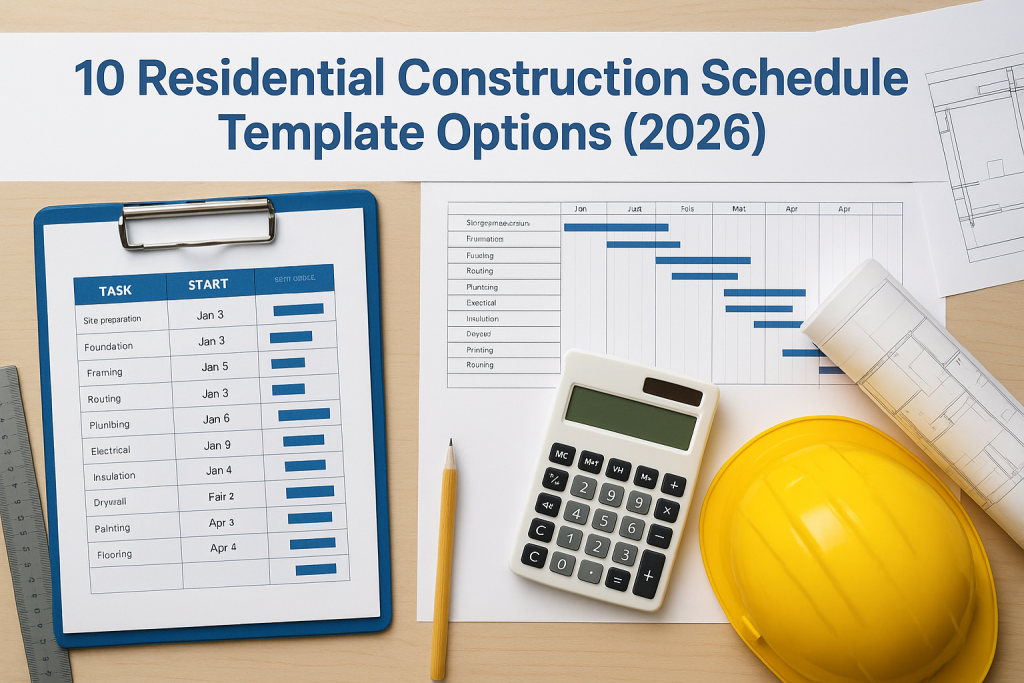
A home build involves hundreds of moving parts, trades, materials, inspections, approvals, and without a clear timeline, things fall apart fast. That’s exactly why having a residential construction schedule template is one of the smartest moves you can make before breaking ground. It gives you a structured framework to track every phase, from site preparation through to handover, so nothing gets missed or delayed unnecessarily. At Transformer Homes, we manage custom builds, renovations, and dual occupancy projects across Melbourne’s Northern and Western suburbs. Coordinating schedules is something we do daily, and we know firsthand how much a well-organised timeline matters to keeping a project on track and on budget. Whether you’re an owner-builder or simply want to understand what your builder should be tracking, a good template gives you that clarity. Below, we’ve pulled together 10 practical residential construction schedule templates for 2026, covering Excel spreadsheets, Gantt charts, and other formats, so you can find one that fits your project and planning style. 1. Builder-provided schedule template The most accessible starting point for most homeowners is the schedule your registered builder puts together at the start of your project. Rather than building a residential construction schedule template from scratch, you receive a pre-structured timeline that already reflects your specific contract, trade sequencing, and site conditions. It’s the most project-ready option on this list. What it is A builder-provided schedule is a project-specific timeline your builder creates based on your signed contract, scope of works, and site conditions. It maps out each construction phase, from site preparation and slab pour through to lock-up, fit-out, and practical completion. The format varies by builder, but most will use either a Gantt-style chart or a milestone list, often delivered as a PDF, Excel file, or through a client-facing project management portal. When it fits best This option suits you best when you’re working with a licensed, experienced builder who has a clear process for communicating timelines to clients. If you’ve signed a major domestic building contract in Victoria, your builder is legally obligated to work to agreed timeframes, so having a formal schedule is not just helpful, it’s expected. It also works well when your priority is oversight rather than hands-on scheduling, meaning you want to understand and monitor progress without building the timeline yourself. Asking your builder for a written schedule before works begin is one of the most effective ways to catch potential delays before they become costly problems. What to include When you review or request a builder-provided schedule, make sure it covers the following key elements: Start and finish dates for each major phase (earthworks, frame, roof, lock-up, fix, completion) Trade sequences showing which subcontractors are booked and when Inspection and approval milestones, including council inspections and certifier sign-offs Material delivery windows for items like frames, windows, and cabinetry Payment stage triggers, which in Victoria typically align with defined construction stages under the Domestic Building Contracts Act Limits to watch for The main limitation here is that you don’t control the format or the detail level. Some builders provide thorough, phase-by-phase breakdowns, while others offer only a high-level milestone list that leaves gaps in your understanding. Another issue is that updates may not come automatically when delays occur, so you’ll need to actively request revised schedules if trades are rescheduled or materials are delayed. Treat the initial schedule as a live document, not a one-time handout. 2. Simple Excel residential build schedule template If you want a practical, no-frills starting point, a simple Excel spreadsheet is one of the most widely used formats for scheduling a residential build. It requires no specialist software knowledge and gives you a clear row-by-row view of your construction tasks, dates, and responsible parties without the complexity of more advanced tools. What it is A simple Excel residential construction schedule template is a flat spreadsheet where each row represents a task or phase, and columns capture the start date, end date, duration, and trade or contractor responsible. Unlike a Gantt chart, it doesn’t visualise timelines graphically. Instead, it works as a structured task list that you can sort, filter, and update as your build progresses. When it fits best This format works best for straightforward builds with a linear sequence of trades, such as a single-storey addition or a new knockdown-rebuild on a clear site. You’ll get the most value from it if you’re comfortable working in Microsoft Excel and want a lightweight tool you can update quickly without learning new software. A simple spreadsheet schedule works best when your build has fewer than 40 distinct tasks and a single primary builder coordinating all trades. What to include Your spreadsheet should capture these core columns for each task: Task name (e.g., slab pour, frame erection, roof tiling) Start date and finish date Duration in working days Responsible trade or subcontractor Status (not started, in progress, complete) Limits to watch for The biggest limitation is that a flat list gives you no visual overview of how tasks overlap or depend on each other. If your build involves concurrent trades working on different parts of the site, you’ll struggle to spot scheduling conflicts before they cause delays on the ground. 3. Excel Gantt chart residential schedule template An Excel Gantt chart takes the flat spreadsheet format one step further by adding a visual timeline alongside your task list. Instead of reading dates in isolation, you can see each phase as a horizontal bar that shows how long it runs and where it sits in relation to other tasks. What it is A Gantt chart residential construction schedule template built in Excel combines a task list on the left with a bar chart on the right. Each bar spans the duration of a task across a calendar, giving you an at-a-glance view of your entire build from start to finish. You can build one manually using conditional formatting, or download pre-built templates directly from Microsoft’s template library. When it fits best This format suits builds with overlapping

Bathroom Renovation Pascoe Vale: 7 Trusted Builders (2026)
Uncategorized

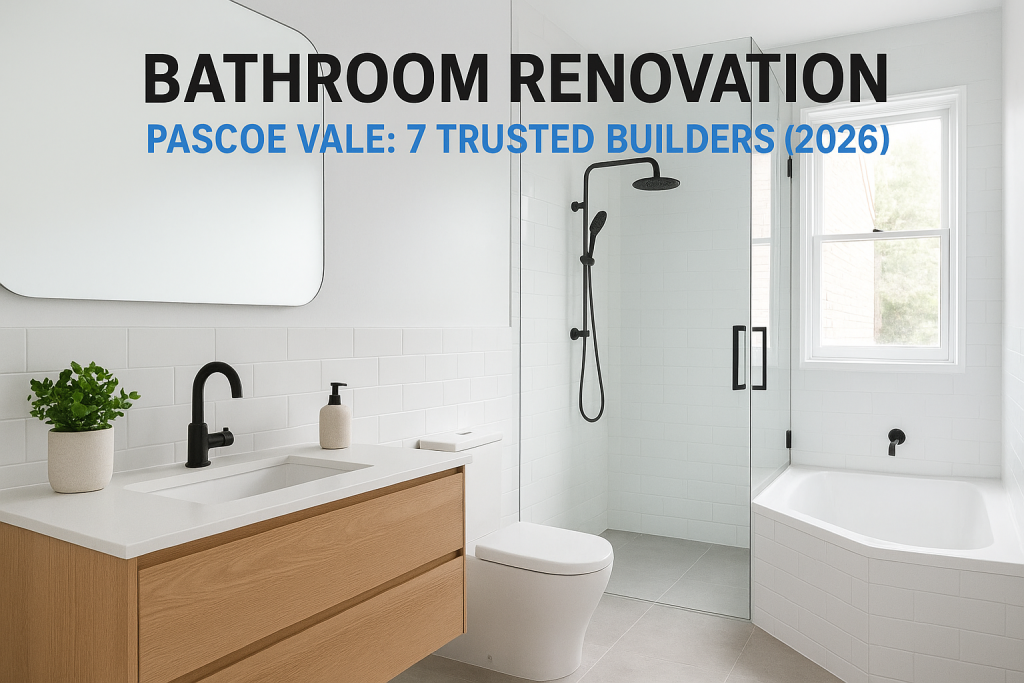
Bathroom Renovation Pascoe Vale: 7 Trusted Builders (2026)

If you’re planning a bathroom renovation in Pascoe Vale, you already know the stakes. A bathroom is one of the most used rooms in your home, and getting the renovation wrong, whether that’s a dodgy tiler, blown-out timeline, or a builder who ghosts you mid-project, costs real money and months of frustration. Pascoe Vale sits right in Melbourne’s inner north, where older homes often come with bathrooms that haven’t been touched since the ’80s. Whether you’re updating a tired ensuite or gutting the main bathroom entirely, choosing the right builder matters more than almost any other decision you’ll make. The difference between a smooth project and a nightmare usually comes down to who you hire. We’ve put together a list of seven trusted bathroom renovation builders servicing Pascoe Vale in 2026. As a residential construction and renovation company based in Melbourne’s north, Transformer Homes works across suburbs like Pascoe Vale regularly, so we know the area, the housing stock, and what separates a quality renovation from a cheap one. This guide is built to help you compare your options and make a confident choice. 1. Transformer Homes Transformer Homes is a Melbourne-based residential construction and renovation company with a strong presence across the northern suburbs, including Pascoe Vale. They handle everything from small bathroom updates to full gut-and-rebuild projects, making them a practical first call for most homeowners in the area. What they handle in a Pascoe Vale bathroom renovation Transformer Homes manages complete bathroom renovations from design through to final finishes. Their scope typically covers: Structural changes and waterproofing Tiling, plumbing, and electrical coordination Vanity and fixture selection and installation Full project management across all trades If your bathroom in Pascoe Vale needs a total overhaul rather than a surface fix, this is the kind of scope they’re built for. Best fit projects and homeowner types Their work suits homeowners who want a custom result without managing multiple separate trades themselves. If you own an older Pascoe Vale property with a dated bathroom layout and want both the design and the build handled by one team, Transformer Homes fits that brief well. They also take on clients running dual occupancy projects or home additions where bathrooms form part of a larger build. If you want one builder managing the full process rather than chasing tilers, plumbers, and electricians yourself, this model saves significant time and stress. How their process typically runs The process starts with a site visit and consultation to understand your goals, existing layout, and any structural considerations. You then receive a detailed scope and quote. Once engaged, Transformer Homes coordinates all trades and provides regular updates rather than leaving you to follow up on progress yourself. Pricing signals and allowances to confirm early Bathroom costs shift quickly depending on scope. Ask upfront about fixture and tile allowances, what’s fixed versus provisional, and how variations get priced. Waterproofing, plumbing reconfiguration, and tiling complexity are the three areas where budgets most commonly move, so clarify these early. Questions to ask before signing a build contract Before committing, raise these points directly with the team to protect your budget and timeline: Is the quote fixed price or based on provisional sums? What warranties apply to workmanship and materials? Who manages trades on-site daily? How are variations approved and priced mid-build? Are permits and waterproofing inspections included in the quote? 2. Smarter Bathrooms+ Smarter Bathrooms+ is a Melbourne-based bathroom renovation specialist that services suburbs across the north, including Pascoe Vale. They focus specifically on bathrooms rather than whole-home construction, which shapes the scope and type of work they take on. What they handle in a Pascoe Vale bathroom renovation For a bathroom renovation in Pascoe Vale, Smarter Bathrooms+ covers full renovation scopes including design, tiling, waterproofing, and trade coordination. Their work typically includes fixture installation, plumbing updates, and new tiling throughout. Best fit projects and homeowner types Their model suits homeowners who need a dedicated bathroom specialist rather than a general builder. If your project is a standalone bathroom or ensuite without structural changes to the broader home, they’re a practical option to get a quote from. A specialist-only approach works well when your renovation is self-contained and doesn’t tie into a larger home improvement project. How their process typically runs Smarter Bathrooms+ generally starts with a design consultation before moving into quoting and scheduling. Their team coordinates trades internally, so you deal with one point of contact rather than chasing separate contractors yourself. Pricing signals and allowances to confirm early Ask about fixture allowances and tiling rates before signing anything. Variation costs and waterproofing compliance requirements can shift the final figure noticeably, so get these itemised in writing upfront. Questions to ask before signing a build contract Before you commit, raise these questions directly with their team to avoid surprises on cost or timeline: Is the quote fully fixed or does it include provisional sums? Who handles on-site trade coordination daily? What’s the process for approving mid-project changes? 3. Mint Kitchen Group Mint Kitchen Group is a Melbourne-based renovation company covering both kitchens and bathrooms across Melbourne’s northern suburbs, including Pascoe Vale. Their dual focus means they can take on projects where a bathroom and kitchen renovation run at the same time under one contractor. What they handle in a Pascoe Vale bathroom renovation For a bathroom renovation in Pascoe Vale, Mint Kitchen Group manages tiling, vanity installation, waterproofing, and trade coordination. They handle both full gut-and-rebuild projects and targeted updates to existing bathrooms where the layout stays largely intact. Best fit projects and homeowner types Their model suits homeowners planning to update both a kitchen and bathroom without juggling two separate companies. If you’re running a broader home refresh, combining trades under one builder often reduces overall project downtime and coordination headaches. Scheduling your kitchen and bathroom together under one contractor can cut total project time compared to running them back to back with different builders. How their process typically runs Their process starts with a design

Whittlesea Council Planning Scheme: Zones, Maps & Permits
Uncategorized

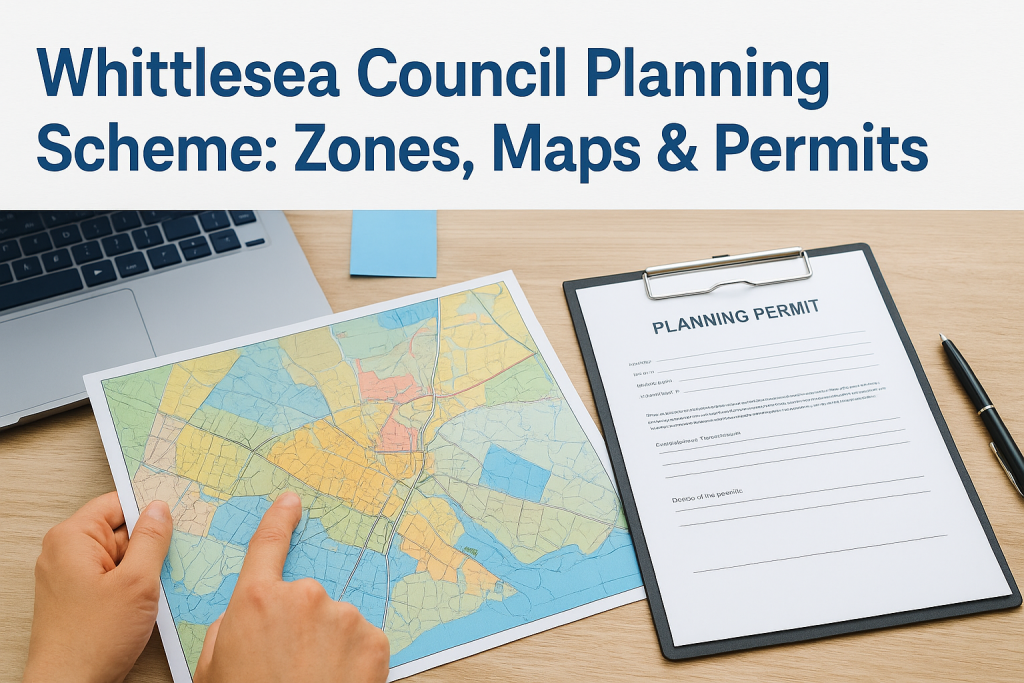
Whittlesea Council Planning Scheme: Zones, Maps & Permits

If you’re planning to build, renovate, or develop property in Melbourne’s north, the Whittlesea council planning scheme is the document that determines what you can and can’t do with your land. It sets out the zoning, overlays, and permit requirements that apply to every property within the City of Whittlesea, from Epping and South Morang through to Mernda, Doreen, and beyond. At Transformer Homes, we work with homeowners and developers across Melbourne’s northern suburbs on everything from custom builds to dual occupancy projects. Understanding the local planning scheme is something we deal with on every job, and it’s one of the first things we help our clients get across before a project moves forward. Getting this right early saves time, money, and a lot of frustration down the track. This article breaks down the key zones, planning maps, and permit triggers you need to know about under the Whittlesea Planning Scheme, written in plain language so you can make informed decisions about your property. Why the Whittlesea Planning Scheme matters The Whittlesea council planning scheme is a statutory document prepared under the Planning and Environment Act 1987. That means it carries legal weight. Every decision about what gets built, demolished, subdivided, or used within the City of Whittlesea is measured against it. Getting it wrong can hold up your project for months or cost you in redesign fees you didn’t budget for. A legal framework, not a suggestion Every parcel of land within the municipality falls under the scheme, from large rural lots in Yan Yean to residential blocks in Mernda and Doreen. It controls what land can be used for, how buildings must be designed and sited, and which activities require a planning permit before they can proceed. Council planners use it to assess applications, and VCAT uses it to resolve disputes when applicants and council disagree on an outcome. If your project doesn’t align with what the scheme allows, you’ll need either a planning permit or a scheme amendment before anything can proceed on site. What it controls on your block For most homeowners and developers, the practical impact comes down to two core questions: what zone applies to your land, and do any overlays sit over it? Your zone determines the primary uses permitted on your property, whether that’s a single dwelling, a dual occupancy, or a townhouse development. Overlays then add a second layer of requirements around vegetation protection, flooding, or neighbourhood character that apply on top of your zone. Understanding both before you engage an architect or builder puts you in a much stronger position to plan your budget, timeline, and design. You can make informed decisions based on what the planning framework actually allows rather than discovering mid-project that the approvals process will take longer than expected. How to find your property on maps and reports The Whittlesea council planning scheme is publicly accessible through the Victorian Government’s Planning Maps Online (PMO) tool at planning.vic.gov.au. This free resource lets you search any property by address and immediately see which zones and overlays apply to your land, before you speak to a planner or engage a builder. Using Planning Maps Online Type your property address into the PMO search bar and the map will load your parcel with all current zones and overlays displayed in colour-coded layers. You can click on each layer to pull up the associated scheme provisions directly. This gives you a clear starting point for understanding exactly what rules govern your block. Write down every zone and overlay that appears on your property before you book any consultation, because this information will directly shape the advice you receive. Reading your planning certificate You can also request a planning certificate through the City of Whittlesea. A planning certificate provides an official written record of the zones, overlays, and any registered planning agreements that apply to your land. This document carries more legal weight than a map search alone and is worth obtaining early for any dual occupancy, townhouse, or major renovation project. How zones, overlays and clauses affect what you can do The whittlesea council planning scheme organises land into zones that determine the primary use and development permitted on each parcel. Your zone sets the baseline rules, whether that means a single dwelling is allowed by right or whether a planning permit is required before you can build a second dwelling or subdivide. Zones set the baseline Whittlesea’s most common residential zones are the General Residential Zone (GRZ) and the Neighbourhood Residential Zone (NRZ). The GRZ allows more flexibility for dual occupancy and medium-density development, while the NRZ places tighter controls on building height and site coverage, which directly affects what a designer can achieve on your block. If your land sits in the NRZ, a dual occupancy project will almost certainly require a planning permit and careful design to meet the zone’s stated objectives. Overlays add another layer Overlays apply on top of your zone and introduce additional requirements or restrictions. In Whittlesea, common overlays include the Vegetation Protection Overlay and the Land Subject to Inundation Overlay. These can limit where you build on your block, how you manage existing vegetation, and whether flood-related engineering is required before any construction can begin. When you need a planning permit and what to do next Under the whittlesea council planning scheme, a planning permit is required whenever your proposed use or development triggers a permit condition within your zone or overlay. Common triggers include building a second dwelling, subdividing land, or adding an extension in an area covered by a neighbourhood character overlay. Checking your permit triggers before you engage a designer can save you weeks of back-and-forth with council. Submitting your application Once you confirm a permit is required, lodge your application directly with the City of Whittlesea through their online planning portal. Council assesses your submission against the scheme provisions and may request further information or external referrals before issuing a decision. Your application must include: Architectural plans drawn

Building Surveyor Western Suburbs Melbourne: 6 Top Picks
Uncategorized

Building Surveyor Western Suburbs Melbourne: 6 Top Picks

Every construction or renovation project in Melbourne needs a building permit before work begins, and to get one, you need a building surveyor. If you’re planning a build or renovation in the building surveyor western suburbs Melbourne area, finding the right professional can save you weeks of delays and thousands in avoidable mistakes. A building surveyor handles more than just paperwork. They assess your plans against the National Construction Code and local regulations, issue building permits, conduct mandatory inspections during construction, and sign off on your project at completion. At Transformer Homes, we work alongside building surveyors on every project we deliver across Melbourne, from custom new builds to full home renovations, so we know firsthand how much the right surveyor matters to keeping a project on track and fully compliant. We’ve put together this list of six reputable building surveyors servicing Melbourne’s western suburbs. Whether you’re lodging a permit for a kitchen renovation, a home extension, or a dual occupancy development, these professionals can help you navigate the approval process with confidence. 1. West Side Building Surveying West Side Building Surveying is a private building surveyor operating across Melbourne’s western suburbs, providing a hands-on and responsive service for residential and commercial clients. They have earned a reliable reputation working with homeowners, builders, and small developers on projects ranging from minor alterations to complete new builds. Services and permit types West Side Building Surveying handles building permits, occupancy permits, and certificates of final inspection across a broad range of residential project types. Their scope covers new home builds, extensions, alterations, carports, decks, and swimming pools, making them well suited for most standard residential applications. If your project involves a second dwelling or complex structural work, confirm upfront that they have issued permits for that specific project type recently. Areas covered in Melbourne’s west The western suburbs they service include Footscray, Sunshine, Maribyrnong, Altona, and Werribee. You should confirm your specific suburb falls within their active coverage zone before you proceed with any formal appointment. Best for West Side Building Surveying suits homeowners and owner-builders working on extensions, additions, and new single-dwelling builds. They work well when you need straightforward permit processing without the delays that can come with larger firms managing high volumes of projects. Typical process and timeframes The standard process begins with a pre-application review of your drawings, followed by formal permit assessment and issuance once documentation is complete. Mandatory inspections cover key stages including footings, frame, and final completion, and you should expect a permit turnaround of roughly 10 to 15 business days for a straightforward residential application. Fees and what usually affects cost Fees are calculated based primarily on the declared cost of works in your application. Complexity, the number of inspections, and any referrals to external authorities such as the CFA or local council will push that figure higher. Questions to ask before you appoint them Before you appoint any building surveyor in the western suburbs of Melbourne, work through these questions: Are you registered with the Victorian Building Authority (VBA)? Have you handled permits for projects similar to mine in my council area? What is your standard turnaround time for permit approval? How do you schedule and communicate mandatory inspections? 2. Cornerstone Building Surveyors Cornerstone Building Surveyors is a private building surveying firm serving residential and commercial clients across Melbourne. Their team brings a methodical approach to permit applications and inspections, focusing on clear communication at every stage of the approval process. Services and permit types Cornerstone handles building permits, occupancy permits, and certificates of final inspection for a wide scope of residential work. Their services cover new dwellings, extensions, structural alterations, and Class 1 and Class 10 structures, which includes garages, pergolas, and outbuildings. Western suburbs council experience The team has direct experience working with councils across Melbourne’s western suburbs, including Maribyrnong, Wyndham, and Hobsons Bay. That familiarity with local planning overlays and council referral requirements can reduce the back-and-forth that often delays permit approvals. Knowing your council’s specific referral triggers before you submit plans can save you two to four weeks on your approval timeline. Best for Cornerstone suits homeowners and small developers handling mid-scale residential builds or substantial renovations where council requirements need careful navigation. Typical process and timeframes They begin with a documentation review, then issue the permit once all requirements are satisfied. Standard residential permits typically take 10 to 15 business days, depending on project complexity. Fees and what usually affects cost Fees are based on the declared cost of works. Referrals to external authorities and additional inspection stages will increase your total cost. Questions to ask before you appoint them What council areas do you actively service? How do you handle referrals to external authorities? What documentation do you need before you can begin assessment? 3. VicWide Permits VicWide Permits is a private building surveying firm operating across metropolitan Melbourne with a strong presence in the western corridor. They focus on efficient permit processing for residential projects, making them a practical option for homeowners and builders who need clear timelines and straightforward communication. Services and permit types Their permit scope covers building permits, occupancy permits, and certificates of final inspection for residential work including new builds, extensions, and Class 10 structures such as sheds, garages, and decks. Coverage across the western suburbs Active service areas include Brimbank, Wyndham, Melton, and Maribyrnong council areas, giving VicWide solid reach across the western suburbs. If you are searching for a building surveyor western suburbs Melbourne residents rely on for growth-corridor projects, they are worth contacting early in your planning phase. Confirm your specific suburb before lodging any documents, as coverage zones can shift with staffing and licensing changes. Best for VicWide suits owner-builders and residential developers working on single dwellings, extensions, and standard outbuildings in Melbourne’s outer western growth corridors. Typical process and timeframes They begin with a pre-lodgement documentation check, then move to formal assessment. Straightforward residential permits typically process within 10 to 15 business days. Fees and what

7 Best Bathroom Renovation Keilor East Builders (2026)
Uncategorized

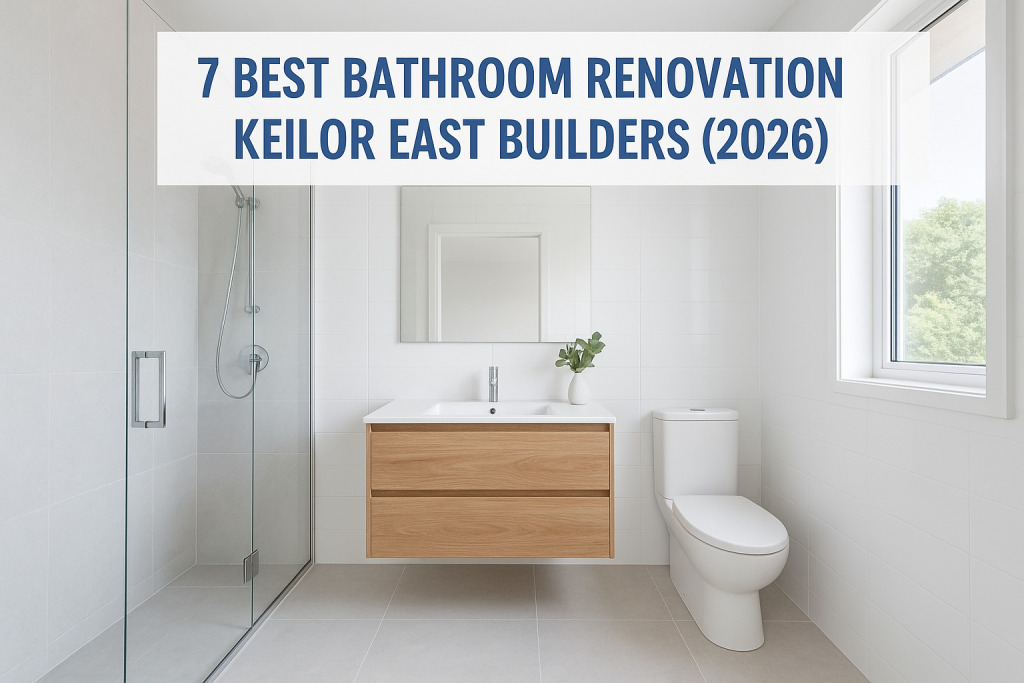
7 Best Bathroom Renovation Keilor East Builders (2026)

Keilor East sits in one of Melbourne’s most sought-after pockets of the western suburbs, where post-war homes and established brick residences are ripe for modern upgrades. A dated bathroom can drag down an otherwise solid home, and finding the right builder for a bathroom renovation Keilor East project is the first real decision you’ll need to make. Choosing a renovator isn’t just about price. You want someone who understands local planning requirements, communicates clearly throughout the build, and delivers a finished bathroom that actually matches what was promised. The wrong choice can mean blown budgets, dragged-out timelines, and a result that falls short. The right one means a stress-free process and a space you genuinely enjoy using every day. At Transformer Homes, we’ve built our reputation across Melbourne’s northern and western suburbs by holding ourselves to a higher standard of inclusions and build quality, what we call the Titanium Difference. We know the Keilor East area well, and bathroom renovations are a core part of what we do. That said, we also believe homeowners deserve options. Below, we’ve put together a list of seven builders worth considering for your Keilor East bathroom renovation in 2026, so you can compare and find the right fit for your project. 1. Transformer Homes Transformer Homes is a Melbourne-based residential builder with a strong track record across the northern and western suburbs, including Keilor East. The company takes a full-service approach to every project, managing the complete process from initial design conversations through to final handover, with a single team accountable for the outcome. Best for Transformer Homes suits homeowners who want one point of contact rather than the stress of coordinating multiple trades themselves. If your bathroom renovation Keilor East project involves structural changes, updated plumbing layouts, or a complete gut and rebuild, this is where Transformer Homes delivers the most value. They work best for quality-focused clients who prioritise craftsmanship and clear communication over the lowest quote on the market. Bathroom renovation services you can expect The team handles the full scope of a bathroom renovation, including waterproofing, tiling, fixture selection, cabinetry, and all plumbing and electrical work. You get a coordinated build where subcontractors are managed directly by the builder, which reduces the risk of scheduling gaps and finger-pointing when things need resolving on site. When one builder coordinates all your trades, accountability stays clear and your timeline stays intact. Build quality and compliance approach Transformer Homes applies the Titanium Difference, a commitment to inclusions and build standards that exceed what most volume builders offer. All wet area work meets Australian Standard AS 3740 for waterproofing membranes, which protects your home long after the renovation is complete. Typical timeline and budget fit A standard renovation typically runs three to six weeks, depending on scope and materials lead times. Budget fit is mid-to-high range, suited to homeowners who want durable finishes and proper project management rather than a basic cosmetic refresh. Good questions to ask before you commit Who manages your project day-to-day, and how often will you receive updates? What waterproofing system do they use, and does it comply with AS 3740? How do they handle scope variations once the build is underway? 2. Jim’s Bathrooms and Resurfacing Jim’s Bathrooms and Resurfacing is part of the well-known Jim’s Group franchise network, operating across Melbourne with local operators servicing the western suburbs. They focus primarily on bathroom makeovers and resurfacing work, making them a recognisable option for homeowners who want a lighter renovation scope. Best for Jim’s Bathrooms and Resurfacing suits homeowners looking for cosmetic upgrades rather than full structural renovations. If your bathroom renovation Keilor East project involves refreshing surfaces, replacing fixtures, or resurfacing rather than a complete teardown and rebuild, this operator is worth considering. Bathroom renovation services you can expect The team covers bath resurfacing, tile reglazing, vanity replacements, and fixture swaps. Their strength sits in surface-level transformations that extend the life of existing bathroom components without the cost or timeline of a full rebuild. Resurfacing can add years to your existing fittings without the disruption of a complete gut renovation. Design and selections experience Design support at Jim’s leans toward catalogue-based selections rather than custom design consultation. You pick from established product ranges, which keeps decisions simple but limits flexibility if you want a highly tailored outcome. Typical timeline and budget fit Most jobs complete within one to two weeks. Budget sits at the lower-to-mid range, making this a practical choice for straightforward refreshes on a tighter spend. Good questions to ask before you commit Does the local operator carry full insurance and relevant trade licences? What resurfacing products do they use, and how long do they last? 3. Top Edge Kitchens and Bathroom Renovations Top Edge Kitchens and Bathroom Renovations is a Melbourne-based specialist covering kitchen and bathroom projects across the western suburbs. Their team brings combined trades experience to each project, handling both the structural build and the fit-out and finishing work under one arrangement. Best for Top Edge suits homeowners who want a combined kitchen and bathroom renovation managed by one team. If your bathroom renovation Keilor East project runs alongside a kitchen update, booking both through Top Edge can reduce scheduling headaches and keep your overall timeline tighter. Bathroom renovation services you can expect The team covers full strip-outs and rebuilds, including tiling, waterproofing, vanity installation, and fixture fit-off. They work across both standard and custom layouts, giving you flexibility whether you’re reconfiguring the space or staying within the existing footprint. Joinery and storage strengths Top Edge brings solid joinery capability to each project, which shows up most clearly in custom vanity builds and bathroom cabinetry. Their joinery experience means shelving and storage integrate cleanly with the broader fit-out rather than sitting as an afterthought. Custom cabinetry designed alongside your tiles and fixtures produces a far more cohesive result than off-the-shelf units added at the end. Typical timeline and budget fit Most projects run three to five weeks. Budget sits in the mid

Dual Occupancy vs Subdivision: Key Differences in Victoria
Uncategorized

Dual Occupancy vs Subdivision: Key Differences in Victoria

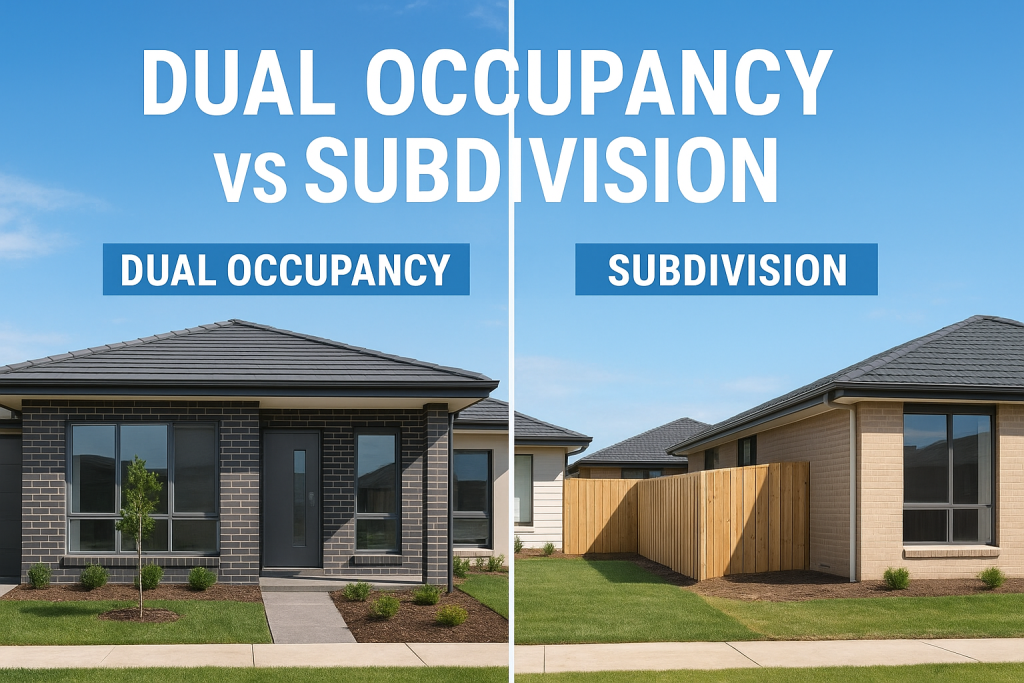
If you own a block in Melbourne’s northern or western suburbs, you’ve probably weighed up dual occupancy vs subdivision, two strategies that sound similar but work very differently under Victorian planning rules. One lets you build two dwellings on a single title. The other splits your land into separate legal titles that can each be sold independently. The path you choose affects everything from council approvals to your long-term return on investment. The confusion between these two options is common, and understandable. Both involve putting more than one home on a property, yet the planning requirements, costs, and ownership structures differ significantly. Getting them mixed up can mean delays, unexpected expenses, or a strategy that doesn’t actually match your goals. Understanding the technical and legal distinctions upfront saves you from costly backtracking later. At Transformer Homes, we build dual occupancy and townhouse projects across Melbourne, so we see these decisions play out on real sites every week. This article breaks down how each option works in Victoria, what the key differences are, and which approach is likely the better fit for your property and budget. Why the difference matters in Victoria Victoria has its own planning framework under the Planning and Environment Act 1987, and the rules here don’t always match what you might read about New South Wales or Queensland. Whether you pursue dual occupancy or subdivision determines who owns what, when they can sell, and how much the whole project costs you from start to finish. Title ownership changes everything With a dual occupancy, both dwellings sit on the same land title. You can rent out both, live in one and rent the other, or sell them together as a package. But you cannot sell each dwelling separately unless you also subdivide afterward, which adds another layer of approvals and cost. In Victoria, the choice between dual occupancy vs subdivision shapes your entire investment strategy well before a slab is poured. Subdividing first, on the other hand, gives each dwelling its own Certificate of Title from the moment construction is complete. That means you can sell one lot independently and recover capital earlier, which suits investors who need to manage cash flow across multiple projects rather than wait for a single combined sale. Victorian planning zones set the rules Your local council’s planning scheme and the residential zone your block sits in dictate what you can and cannot do. In Victoria, zones like the General Residential Zone (GRZ) and the Neighbourhood Residential Zone (NRZ) carry different minimum lot sizes, setback rules, and subdivision requirements. A block in Preston or Thornbury that comfortably fits a dual occupancy build may not meet the minimum lot size needed for a two-lot subdivision. Knowing your zone before you commit to a design means you avoid spending money on plans the council will reject at the permit stage. Dual occupancy vs subdivision at a glance The simplest way to separate dual occupancy vs subdivision is by asking one question: do you want one title or two? A dual occupancy means two homes on a single land title. A subdivision creates separate legal titles for each lot, each independently sellable. The title structure you choose at the start determines your exit options for years to come. What each option gives you Here is a quick comparison of how the two strategies differ across the details that matter most on a Melbourne block. Feature Dual Occupancy Subdivision Number of titles One Two (or more) Sell dwellings separately No (without further subdivision) Yes Separate rates notices No Yes Planning process Development permit Development permit + plan of subdivision Best suited for Rental income or shared ownership Independent sales and capital recovery Choosing dual occupancy works well if you plan to hold both dwellings long-term and collect rent. Subdivision gives you the flexibility to sell one lot, recover capital, and fund your next project without waiting on a combined sale to settle. How approvals and rules work in Victoria Both options require a planning permit from your local council, but the approval process for dual occupancy vs subdivision involves different steps and different agencies. Understanding what each process demands upfront stops you from underestimating your timeline. Getting a dual occupancy permit A dual occupancy development needs a planning permit that covers design, setbacks, and overlooking rules under your council’s planning scheme. Once the permit is issued and construction is complete, you apply for an occupancy certificate through your building surveyor. No further title work is required unless you later decide to subdivide. Subdividing your land in Victoria Subdivision in Victoria involves an additional layer of approvals. After your planning permit is granted, your surveyor prepares a plan of subdivision, which gets certified and then lodged with Land Use Victoria for title registration. Each stage requires separate fees and sign-offs, including from utilities like water and gas authorities. The subdivision process in Victoria typically adds several months to your overall project timeline compared to a straightforward dual occupancy build. Your block’s zoning and overlay conditions determine which path is even available to you, so checking your council’s planning scheme early is essential before committing to either strategy. Costs, timelines, and money outcomes to expect Understanding the financial commitment and realistic timeframe for each option helps you plan without surprises. The total cost difference between dual occupancy vs subdivision is not just about construction; it also includes planning fees, surveyor costs, and title registration charges that subdivision requires and dual occupancy does not. What you’ll spend on each path A dual occupancy build in Melbourne’s northern and western suburbs typically costs between $550,000 and $800,000+, depending on size and inclusions. Subdivision adds a surveyor’s plan of subdivision, Land Use Victoria registration, and utility authority approvals on top of that, which can push your total spend up by $15,000 to $30,000. Subdivision costs more upfront, but selling each lot independently can return capital far sooner than holding a dual occupancy as a long-term rental. How long each process takes

8 Free Smartsheet Project Management Templates for Planning
Uncategorized

8 Free Smartsheet Project Management Templates for Planning

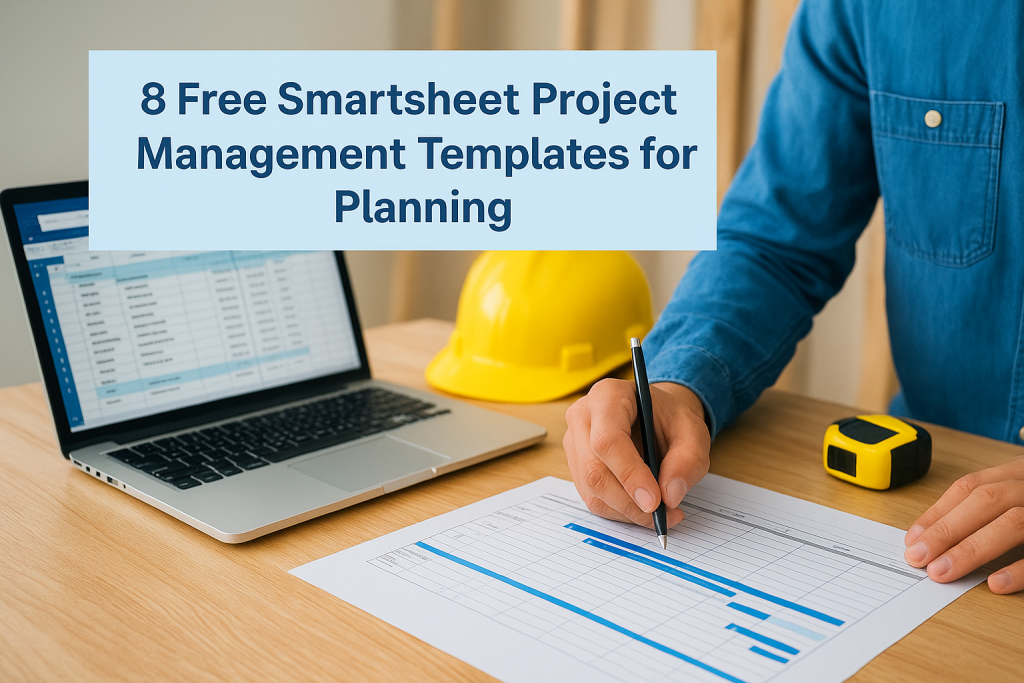
Running a home build or renovation without a solid plan is a recipe for blown budgets and missed deadlines. At Transformer Homes, we know firsthand how critical structured project management is, coordinating subcontractors, tracking materials, and keeping clients informed across every stage of construction demands clear, organised systems. That’s exactly where Smartsheet project management templates come in. They give you a ready-made framework to plan, track, and manage complex projects without building everything from scratch. Whether you’re a homeowner mapping out a kitchen renovation or a small-scale developer juggling a dual occupancy build, the right template can save hours of setup time and keep your project on track. Smartsheet’s platform makes it straightforward to customise these templates to suit your specific scope, and many are available for free in formats like Excel, Word, and PDF if you prefer working outside the platform. Below, we’ve rounded up eight of the best free Smartsheet project management templates purpose-built for planning, so you can spend less time on admin and more time making progress. 1. Project management plan template The project management plan template is the foundation of any well-run project. It gives you a single document where you capture your scope, schedule, resources, and responsibilities before a single task kicks off. Smartsheet’s version of this template is structured to guide you through every planning layer, so nothing slips through the gaps early on. What this template includes This template covers the core planning elements you need from day one: project scope, objectives, deliverables, timeline, stakeholder roles, risk register, and communication plan. Each section prompts you to fill in the details that define how your project runs, rather than leaving you to figure out the structure yourself. You get a ready-made framework instead of a blank page. Best for A project management plan template suits mid-to-large projects where multiple stakeholders, trades, or teams need clear alignment before work starts. If you’re managing a home addition, a dual occupancy build, or any project with overlapping responsibilities, this template gives everyone a shared reference point from the first briefing through to practical completion. Key sections to complete first Start with the project scope and objectives before anything else. If the scope isn’t locked down, every other section becomes guesswork. After scope, fill in your key milestones and assign an owner to each deliverable. These three steps alone will surface most of the questions you’d otherwise hit mid-project, when changes are far more costly to absorb. Defining your scope before scheduling prevents the most common source of cost blowouts and timeline drift on residential construction projects. How to customise it for your team Smartsheet lets you add, remove, or rename columns to match your team’s language and workflow. If you’re working with subcontractors, add a "Trade" column next to the owner field so accountability is visible at a glance. You can also adjust the status dropdown values to reflect the stages your team actually uses, rather than generic labels that don’t map to your real process. Common mistakes to avoid The biggest mistake is treating the plan as a one-off document you complete at the start and file away. Your plan should be a live reference that you update as scope shifts, risks change, and timelines move. A second common error is leaving the risk register completely blank because it feels premature at the planning stage. Filling it in early, even with rough estimates, pushes your team to think ahead rather than react under pressure. 2. Integrated project plan with Gantt template The integrated project plan with Gantt template combines a task list with a visual timeline in one sheet, giving you a clear picture of what needs to happen and when. It’s one of the most practical smartsheet project management templates for projects with multiple overlapping phases. What this template includes This template contains a structured task list on the left and an auto-generated Gantt chart on the right. Each row holds your task name, assigned owner, start date, end date, duration, and percentage complete. As you enter dates, the Gantt bars update automatically, keeping your timeline in sync with the underlying data. Best for Teams running multi-phase projects with strict sequencing will get the most from this template. It suits residential construction schedules, home additions, and any project where one task cannot start until another finishes. How the Gantt view stays accurate The Gantt view updates whenever you edit a date or duration in the task list. Avoid adjusting bar lengths manually in the chart view, since the task list data drives everything. Keep your dates current and the chart stays reliable. Gantt accuracy depends entirely on the quality of your date inputs, so update the sheet as soon as any timeline shifts. How to handle dependencies and milestones Use the dependency column to link tasks so a delay in one automatically pushes its successors forward. Mark key delivery points as milestones using the dedicated field so they appear as diamonds on the chart and stand out during reviews. How to customise it for construction and renovations Add a "Trade" column to flag which subcontractor owns each task. Group rows by phase, such as demolition, framing, and fitout, so your Gantt chart reflects the actual site sequence rather than a generic project structure. 3. Project task tracking template The project task tracking template gives you a dedicated space to capture, assign, and monitor every task across your project. Unlike a full project plan, this template focuses purely on execution, so your team always knows what’s active, what’s overdue, and what’s coming up next. What this template includes This template contains a flat task list with columns for task name, owner, priority, status, start date, due date, and notes. It’s built for day-to-day tracking rather than high-level planning, making it one of the most practical smartsheet project management templates for teams that need a quick, reliable view of live work. Best for This template suits fast-moving projects where tasks are added and closed frequently.

Autodesk Construction Cloud Project Management: Overview
Uncategorized

Autodesk Construction Cloud Project Management: Overview

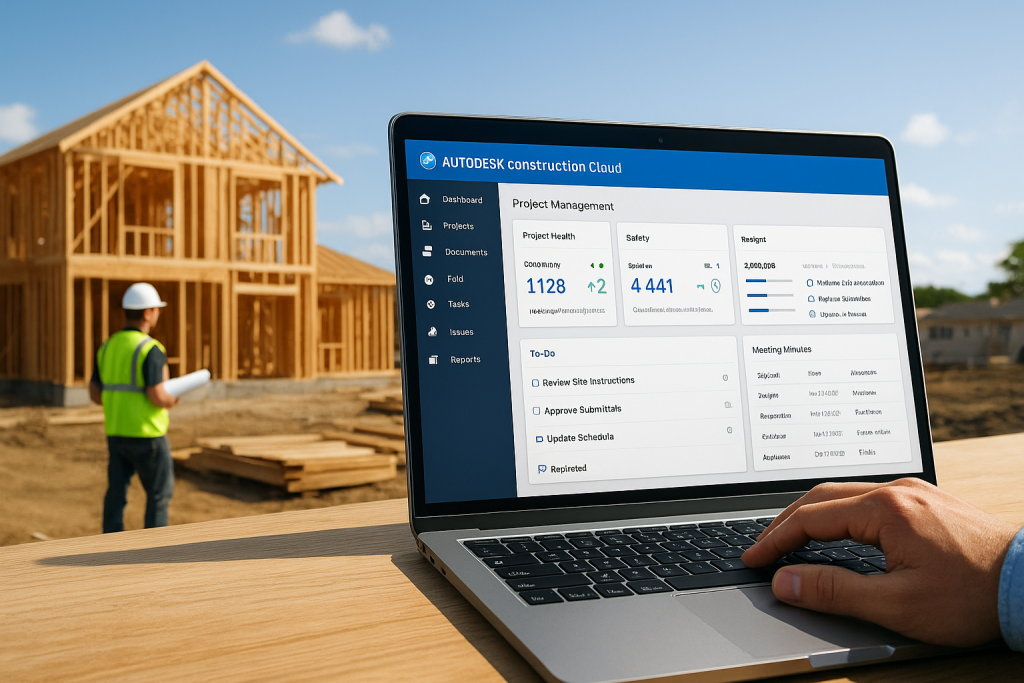
At Transformer Homes, we manage every custom build, renovation, and dual occupancy project across Melbourne’s Northern and Western suburbs with a focus on coordination and clear communication. That commitment extends to the tools we use behind the scenes. Autodesk Construction Cloud project management is one of those tools, a platform built to connect teams, documents, and workflows across the full lifecycle of a construction project. Understanding what it offers matters whether you’re a builder evaluating new software or a homeowner curious about how your project gets managed from design through to handover. So what does the platform actually do? It brings together document control, design coordination, cost management, and field execution into a single connected environment. Rather than juggling separate systems for drawings, RFIs, and scheduling, project teams can work from one source of truth. For residential builders handling multiple trades and tight timelines, like the projects we deliver daily, that kind of integration reduces errors and keeps things moving. This article breaks down the core project management capabilities within Autodesk Construction Cloud, covering its key modules, how they connect, and where the platform fits in real-world construction workflows. By the end, you’ll have a clear picture of what the platform includes, how it supports collaboration, and whether it aligns with the way modern residential construction projects are run. Why Autodesk Construction Cloud matters on jobsites Construction projects fail more often from poor communication and fragmented information than from technical problems on site. When a subcontractor works from an outdated drawing, or a site supervisor cannot locate the approved version of a specification, the result is rework, delays, and blown budgets. On a typical residential project in Melbourne, you might have an architect, a certifier, a structural engineer, a building surveyor, and multiple trade contractors all needing access to the same information at different points in the programme. Without a central system, that information scatters across emails, shared drives, printed plans, and individual text message threads. Autodesk Construction Cloud project management addresses this problem directly by connecting every stakeholder to a single, current set of project data from the first design file through to the final handover document. The cost of disconnected systems Working with disconnected tools carries a genuine financial cost that compounds as a project grows in complexity. For residential builders, the impact shows up in practical problems: a missed RFI response delays a frame inspection, a subcontractor quotes from the wrong plan revision, or a handover package arrives incomplete because documents were stored across too many separate locations. These are not rare events; they happen regularly on complex builds where teams rely on separate systems that do not talk to each other. Each incident adds time and cost that neither you nor your client budgeted for at the start. When every team member works from the same live document set, the risk of version-related errors drops sharply across every trade on site. For your project team, moving from scattered systems to a connected cloud environment reduces the hours spent tracking down information and increases the hours spent building. It also creates a clear, timestamped audit trail, which matters when disputes arise or when a building surveyor requests documentation at an inspection stage. Having that record available instantly, rather than hunting through inboxes, protects your project and your relationships with clients. How real-time visibility changes decisions One of the most practical advantages of the platform is the ability to see project status in real time without waiting for a weekly report to land in your inbox. A site manager can log an issue from the field, attach photos as evidence, assign the item to a subcontractor, and track resolution without leaving the mobile app. A project director sitting away from site can view outstanding RFIs, check budget movement, and review quality inspection results on the same day those events occur. That speed of information moves teams from reactive to proactive, which is where the real savings on a construction project come from. For builders running multiple sites simultaneously, this visibility becomes even more important. You can monitor whether a concrete pour passed its inspection, whether a variation has received written approval, or whether a critical document has been reviewed and accepted, all without making a phone call or waiting on an email reply. The platform gives your team access to accurate, current information regardless of physical location, which is exactly what residential construction across Melbourne’s Northern and Western suburbs demands given how quickly trades rotate between jobs. Why the residential sector specifically benefits Volume builders and project home companies have long had structured systems, but custom residential builders have historically managed with lighter, less connected tools. The gap that creates becomes visible on any job where a client variation triggers a cascade of document updates across drawings, specifications, and trade scopes. A platform that links those updates across modules means your team catches the knock-on effects before they reach the site, not after. That layer of control is what separates a smooth client experience from one filled with surprises. How Autodesk Construction Cloud handles project management Autodesk Construction Cloud project management organises work through a set of connected modules that each serve a distinct phase or function. Rather than treating project management as a single feature, the platform separates it into dedicated tools that link together so information created in one area flows automatically into others. You get a structured environment where every team member operates within the same data set, and nothing gets lost between systems because there is only one system to work within. A layered architecture built for construction The platform sits on a common data environment called the Autodesk Construction Cloud platform layer, which underpins every product within the suite. This layer handles authentication, file storage, and data sharing so that products like Autodesk Build, Autodesk Takeoff, and BIM Collaborate all pull from and push to the same underlying project record. When you update a document in one product, that update is immediately

Scroll to Top