Melbourne’s Premier Custom Home Builders and Remodelers

visit our location by appointment:

Live Innovations 153 High Street,
Thomastown VIC. 3074

Opening Hours:

Mon-Fri 8am-5pm

Uncategorized

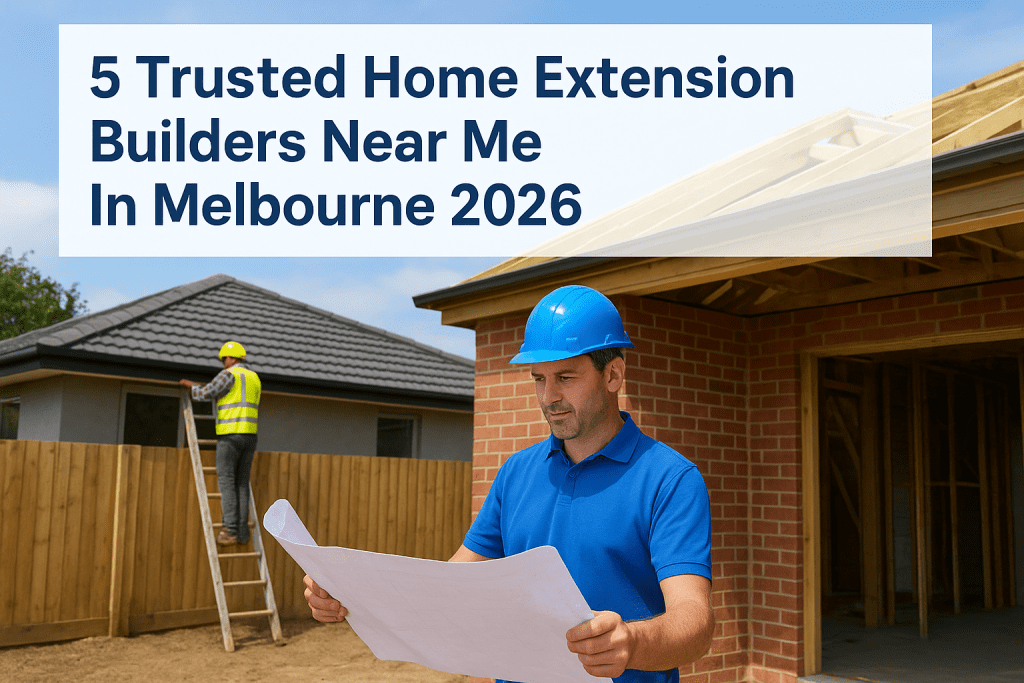
5 Trusted Home Extension Builders Near Me In Melbourne 2026
Uncategorized

5 Trusted Home Extension Builders Near Me In Melbourne 2026

Finding the right home extension builders near me can feel like a project in itself. You’ve already decided your home needs more space, maybe it’s a second living area, an extra bedroom, or a bigger kitchen, but choosing who actually builds it matters just as much as what you build. Melbourne’s northern and western suburbs are full of homes with real extension potential, and there’s no shortage of builders ready to quote. The challenge is sorting the reliable operators from the ones who’ll blow your timeline and budget. A wrong choice here costs more than money, it costs months of stress and rework that could’ve been avoided with proper research upfront. That’s why we put together this list. As the team behind Transformer Homes, a residential construction company based in Thomastown specialising in home renovations, extensions, and custom builds across Melbourne, we know what separates a solid builder from one who cuts corners. Below, we’ve listed five trusted home extension builders in Melbourne worth talking to in 2026, including what each one does well and what to look for before signing anything. 1. Transformer Homes Transformer Homes is a Thomastown-based residential builder with hands-on experience across extensions, dual occupancy projects, and custom builds throughout Melbourne. As a locally operated company, you deal with the same team from first consultation through to handover rather than being passed between departments or call centres. What they specialise in for Melbourne extensions Their work covers kitchen and bathroom renovations, home additions, and full home transformations. The team handles projects where an existing home needs a significant increase in livable space, whether that’s a ground-floor rear extension or a more substantial structural addition to an established property. How their design and build process typically runs The process begins with a consultation to align on your goals, site constraints, and budget. From there, design and documentation are coordinated before permits are lodged with the relevant authorities. Transformer Homes manages subcontractors directly, which reduces the communication gaps that cause delays on most extension projects. A builder who manages their own subcontractors removes one of the biggest sources of delay and miscommunication on extension projects. Build quality and inclusions to clarify upfront Transformer Homes positions itself around what they call the Titanium Difference, a standard of inclusions and build quality that goes beyond what most volume builders offer. You should ask specifically about fixture and finish inclusions during your initial consultation so you know exactly what’s covered before signing anything. Typical budgets and timelines to expect Extension costs vary based on scope and site conditions, but quality outcomes in Melbourne generally sit in mid-to-high budget ranges. Timelines from first consultation to completion typically run six to twelve months, depending on permit timeframes and project complexity. Best fit projects and suburbs For homeowners searching for home extension builders near me in Melbourne’s northern suburbs, Transformer Homes is worth a close look. They’re particularly active in Preston, Northcote, Thornbury, and Thomastown, and suit clients who want clear project management from a builder with a genuine local presence. 2. Extensions Unlimited Extensions Unlimited is a Melbourne-based builder focused specifically on residential extensions and additions. If you’re searching for home extension builders near me with a dedicated extensions track record, they’re worth adding to your shortlist. What they specialise in for Melbourne extensions Their core work covers rear additions, second-storey extensions, and living area expansions on established homes. They focus on matching new construction to existing architecture, which matters when you’re extending a period home in Melbourne’s inner suburbs. How their design and build process typically runs Extensions Unlimited works with in-house designers before moving to documentation and permits. This keeps the design and construction phases closely connected, reducing the back-and-forth that slows many projects down. A builder who handles design in-house can often identify structural challenges earlier, saving time and cost downstream. Build quality and inclusions to clarify upfront Ask for a detailed inclusions schedule before signing. Confirm what fixtures, finishes, and structural elements are covered so there are no surprises once work starts. Typical budgets and timelines to expect Projects typically run six to ten months from initial consultation to completion. Budgets sit in the mid-range, depending on scope and site conditions. Best fit projects and suburbs Extensions Unlimited suits homeowners adding living space to established properties across Melbourne’s metropolitan area. 3. Cameron Construction Cameron Construction is a Melbourne-based builder with a track record in residential extensions and home additions. Their work focuses on structural quality and careful project delivery across a range of extension types. What they specialise in for Melbourne extensions Their core work covers ground-floor rear extensions, room additions, and structural alterations to existing homes. The team has experience on established properties where the existing structure needs careful assessment before any new work begins. How their design and build process typically runs The process starts with a site assessment and scoping meeting before moving into design documentation and permit lodgement. Cameron Construction coordinates trades throughout the build, keeping your project on a clear schedule from start to finish. Builders who run a structured pre-construction phase catch potential site issues before they affect your budget or timeline. Build quality and inclusions to clarify upfront Ask for a written inclusions list at the quoting stage. Confirm which fixtures, linings, and finishes are included so you’re comparing quotes on the same basis. Typical budgets and timelines to expect Projects typically complete within eight to twelve months. Costs scale based on scope and site conditions, so get a detailed quote before committing to a figure. Best fit projects and suburbs For anyone searching for home extension builders near me across Melbourne’s suburbs, Cameron Construction suits homeowners who want solid structural work on established residential properties. 4. VBA-registered local home extension builders If no specific builder stands out after your search for home extension builders near me, the Victorian Building Authority (VBA) register gives you a reliable starting point for vetting any builder you’re considering. When to use the Victorian Building
Home Extension Cost Melbourne: 2026 Price Guide Per m²
Uncategorized

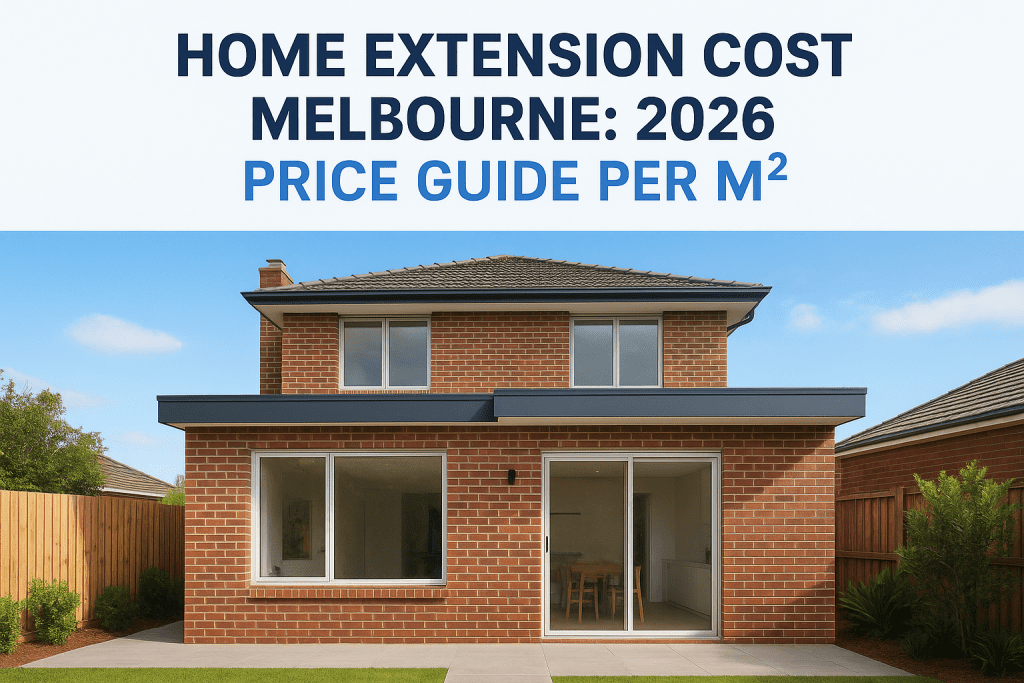
Home Extension Cost Melbourne: 2026 Price Guide Per m²

If you’re planning to add space to your home, one of the first questions you’ll ask is: what does a home extension cost in Melbourne right now? It’s a fair question, and one without a single clean answer. Costs shift depending on the type of extension, the size, your site conditions, and the level of finish you’re after. What we can do is give you realistic figures based on what we’re seeing in 2026, so you can budget with confidence rather than guesswork. At Transformer Homes, we build and renovate homes across Melbourne’s northern and western suburbs. We’ve priced, planned, and delivered enough extensions to know where the money goes, and where people get caught off guard. That hands-on experience is exactly what shaped this guide. You won’t find vague ranges pulled from national averages here. Instead, we’ve broken down current per-square-metre rates, typical project totals, and the variables that push costs up or bring them down. Whether you’re weighing up a ground-floor addition or a second-storey extension, this guide walks you through what to expect at each stage, from early estimates through to final costs. We’ll also cover hidden expenses, council-related fees, and how to get the most value from your build budget. Typical home extension costs in Melbourne in 2026 When people start researching home extension cost Melbourne, they often find a wide spread of figures that are hard to make sense of. In 2026, you should budget $2,500 to $4,500 per square metre for most residential extensions in Melbourne, depending on the type and finish level. That range covers the build itself but not every associated cost, which we’ll cover later in this guide. Ground-floor extensions Ground-floor additions are the most common type of extension in Melbourne’s established suburbs. They extend the footprint of your home into the backyard or side setback, and they carry lower structural complexity than going up a level. For a standard single-storey extension with a mid-range finish, expect to pay between $2,500 and $3,500 per square metre. A 40m² ground-floor extension at that rate lands roughly between $100,000 and $140,000 for construction alone. Targeting higher-end finishes, custom joinery, or engineered stone can push the rate to $3,800 per square metre or more. Smaller extensions often cost more per square metre because fixed costs like scaffolding and site setup are spread across fewer metres. Second-storey extensions Adding a second storey is structurally more involved than a ground-floor addition. You’re working with the existing roof structure, reinforcing the ground floor to carry new load, and managing a build that requires careful sequencing. These factors push the per-square-metre rate up to $3,200 to $4,500, and sometimes higher for complex sites or luxury finishes. A second-storey extension typically costs 20 to 35% more per square metre than an equivalent ground-floor addition once all structural and engineering costs are factored in. A 30m² second-storey addition therefore sits in the range of $96,000 to $135,000 for the build itself, before you add engineering fees, permits, and temporary accommodation if the works require you to vacate. Most Melbourne homeowners who take this path budget at least $120,000 to $180,000 all-in for a modest upper-floor addition. Extension size and cost: a quick reference The table below helps you sense-check whether a quote is in the right ballpark. Figures are based on mid-range finishes and Melbourne 2026 market conditions. Extension type Size Rate per m² Estimated build cost Ground-floor 20m² $2,800–$3,500 $56,000–$70,000 Ground-floor 40m² $2,800–$3,500 $112,000–$140,000 Ground-floor 60m² $2,600–$3,300 $156,000–$198,000 Second-storey 30m² $3,200–$4,200 $96,000–$126,000 Second-storey 50m² $3,000–$4,000 $150,000–$200,000 These figures represent construction costs only and exclude design fees, engineering, council permits, landscaping, and service connections, all of which add to your final number. Cost per m² by extension type and finish The per-square-metre rate you pay depends heavily on the level of finish you specify. When comparing home extension cost Melbourne quotes, two projects of equal size can look very different on paper because one includes laminate benchtops and standard tiles while the other features stone surfaces and custom joinery throughout. Understanding what each finish tier includes helps you spot whether a quote reflects your brief or something well below it. Budget finish ($2,500–$2,800 per m²) At this level, you’re working with off-the-shelf products and standard fittings. Flooring is typically vinyl plank or basic tiles, windows are aluminium single-glazed, and cabinetry uses flat-pack or builder-grade options. For a straightforward ground-floor addition, budget finishes can be a practical choice if the extension is mostly functional space, like a laundry or additional bedroom without heavy wet areas. Budget finishes are only worth pursuing if you’re comfortable replacing key elements within five to ten years as products at this tier tend to wear faster. Mid-range finish ($2,800–$3,500 per m²) This is where most Melbourne homeowners land when they want quality without stretching into luxury territory. Mid-range typically includes double-glazed windows, engineered timber or quality tile flooring, stone benchtops in wet areas, and semi-custom cabinetry. It’s a finish level that holds up well over time and photographs well when you eventually sell. Premium finish ($3,500–$4,500+ per m²) Premium extensions use architect-specified materials, bespoke joinery, and high-performance glazing systems. You’ll also see features like hydronic heating, integrated appliances, and detailed ceiling work at this level. These finishes are common in Melbourne’s inner northern suburbs where surrounding property values support the investment and buyers expect a polished result. Extra costs people miss in budgets When you’re working out home extension cost Melbourne figures, most people focus on the build rate and multiply by square metres. That number is a starting point, not a final budget. Several costs sit outside the construction contract, and they add up fast if you don’t plan for them from the beginning. Design, engineering, and permits Your architect or building designer typically charges between $5,000 and $20,000 depending on the complexity of the project and the level of documentation required. On top of that, a structural engineer needs to assess load paths and connections, which adds another $2,000 to $5,000. Council permit

8 Custom Home Builders Melbourne Homeowners Trust in 2026
Uncategorized

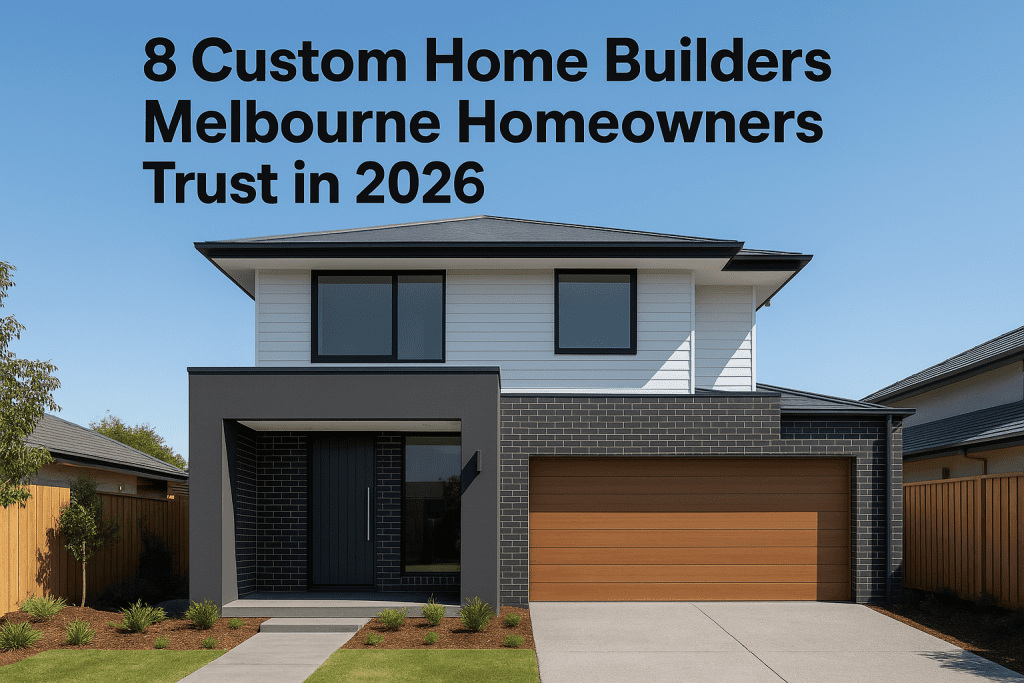
8 Custom Home Builders Melbourne Homeowners Trust in 2026

Choosing from the many custom home builders Melbourne has to offer isn’t something you do on a whim. It’s one of the biggest financial and emotional commitments you’ll make, and the builder you pick will shape how that experience plays out, from the first sketch to handing over the keys. A great custom builder doesn’t just construct walls and rooflines. They listen, problem-solve, and deliver a home that actually fits your life, not a cookie-cutter plan pulled off a shelf. The challenge is sorting the builders who genuinely do this from those who simply claim to. As a Melbourne-based builder ourselves, we know at Transformer Homes what separates quality custom work from volume-driven shortcuts. It’s something we see every day across the northern and western suburbs. That firsthand knowledge is exactly why we put this list together. Below, you’ll find eight custom home builders Melbourne homeowners are trusting in 2026, each with a solid track record and a clear commitment to bespoke residential construction. Whether you’re building on your own land, planning a knock-down rebuild, or exploring dual occupancy, this guide will help you compare your options and make a confident decision. 1. Transformer Homes Transformer Homes is a Melbourne-based builder working across the northern and western suburbs, with a physical base in Thomastown. They handle everything from custom new builds to knock-down rebuilds, dual occupancy projects, townhouses, and home additions, giving you a single point of contact across a wide range of residential construction types. What they build in Melbourne Their services cover custom home builds, pre-designed homes, dual occupancy and townhouse developments, kitchen and bathroom renovations, and full home additions. If you already own land, their Build On My Land service manages the entire process from design through to handover, making it a practical option for landowners who want a tailored result without coordinating multiple contractors themselves. What makes them different The company’s standout feature is what they call the Titanium Difference, a commitment to inclusions and build quality that goes beyond what most volume builders offer. Rather than cutting corners on fixtures and finishes, they lock in higher-grade standards from the start. Their approach places real weight on clear communication and professional project management, which means you stay informed throughout rather than chasing updates. A builder who prioritises communication at every stage will save you significant stress and cost compared to one who goes quiet between milestones. Who they suit Transformer Homes is a strong fit for quality-conscious homeowners in Melbourne’s north and west who want a bespoke result without paying for a luxury architect-led firm. They also suit small-scale property developers exploring dual occupancy or townhouse projects, where practical experience with council requirements and site planning genuinely matters. What to ask and how to compare When you speak with Transformer Homes, ask to see completed projects in your suburb or a nearby area. It’s also worth asking about their subcontractor relationships and how they handle on-site quality control, since strong project management processes are what separate a smooth build from a drawn-out one. Pricing and timeframes Transformer Homes sits at a mid-to-upper price point within the custom builder market, reflecting their inclusion standards and hands-on management approach. Timeframes vary by scope, but most custom builds run between 12 and 20 months from contract signing to practical completion. 2. Arli Homes Arli Homes is a Melbourne-based custom home builder focused on architecturally designed residences. They work with clients across metropolitan Melbourne to deliver bespoke new builds that prioritise design quality and functionality from the ground up. What they build in Melbourne Arli Homes specialises in custom-designed new homes and knock-down rebuilds across Melbourne’s suburbs. Their approach centres on working directly with clients through the design phase to produce homes that reflect individual lifestyle needs rather than standard off-the-shelf floor plans. What makes them different Their standout feature is a design-led process that keeps you involved at every stage. They develop the brief collaboratively, which tends to produce stronger results for clients who have a clear vision but need professional guidance to execute it properly. Builders who invest time in the design brief upfront typically deliver fewer surprises and fewer costly variations once construction begins. Who they suit Arli Homes suits owner-occupiers who want a genuinely custom result and are willing to actively engage in the design process. They are a strong fit for clients in Melbourne’s established suburbs who are rebuilding on an existing block and want a finished product that stands apart from volume builds. What to ask and how to compare Ask them to walk you through their design process timeline and how many revisions are included before documentation starts. Also clarify who manages the build once construction begins, so you know exactly who your contact is throughout. Pricing and timeframes Arli Homes sits at a mid-to-upper price range for Melbourne custom builders. Most projects run between 14 and 22 months from design sign-off to practical completion, depending on scope and complexity. 3. Varcon Group Varcon Group is a Melbourne builder with a focus on custom homes, dual occupancy projects, and multi-dwelling developments. They work across suburban Melbourne, drawing on solid experience in both new builds and knock-down rebuilds. What they build in Melbourne Varcon Group handles custom new homes, dual occupancy developments, townhouses, and knock-down rebuilds across Melbourne’s suburbs. Their portfolio spans a range of project sizes, which gives them practical experience with the planning and construction challenges that come with different block types and council zones. What makes them different Their strength lies in dual occupancy and multi-dwelling expertise, which sets them apart from builders who focus solely on single residences. They manage the full process from initial concept through to construction completion, reducing the coordination burden on you as the client. Builders with strong dual occupancy experience typically understand Melbourne’s planning requirements far better than generalist firms, which saves you time during permit approvals. Who they suit Varcon Group suits landowners and small-scale developers looking to maximise the value of their

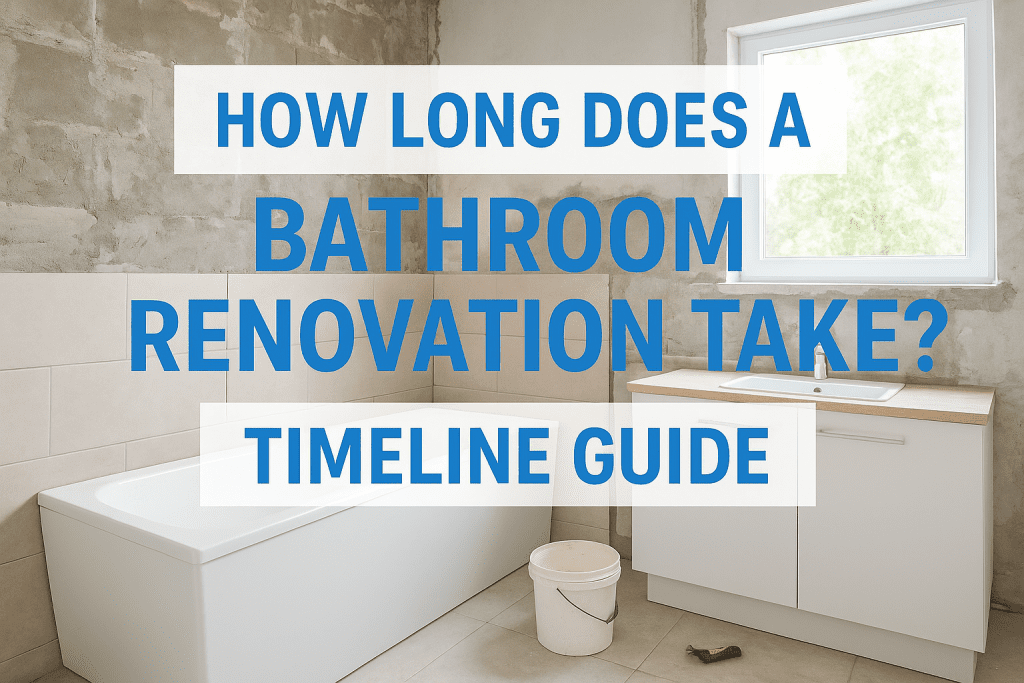
How Long Does a Bathroom Renovation Take? Timeline Guide
Uncategorized

How Long Does a Bathroom Renovation Take? Timeline Guide

If you’re planning a bathroom remodel, one of the first questions you’ll ask is how long does a bathroom renovation take. The honest answer? It depends, but most bathroom renovations in Melbourne run anywhere from three to eight weeks, depending on the scope of work, material availability, and the complexity of your design. At Transformer Homes, we manage bathroom renovations across Melbourne’s Northern and Western suburbs, and we’ve seen firsthand how unclear timelines cause the most stress for homeowners. A straightforward cosmetic refresh won’t take nearly as long as a full gut-and-rebuild with relocated plumbing. Knowing the difference, and what each stage involves, puts you in a much stronger position before work starts. This guide breaks down the typical stages of a bathroom renovation, the realistic timeframes for each, and the common factors that push projects ahead of or behind schedule. Whether you’re updating a dated ensuite or gutting a main bathroom, you’ll walk away with a clear picture of what to expect and how to keep your renovation on track from day one. Why bathroom renovation timelines matter Understanding how long a bathroom renovation takes matters more than most people realise. Your bathroom is one of the most-used rooms in the house, and losing access to it for longer than expected creates real disruption to daily life. A clear timeline gives you control over temporary arrangements, material ordering, and trade bookings, and that control is often the difference between a smooth project and a frustrating one. The hidden cost of running over schedule When a bathroom renovation drags past its expected finish date, the costs add up fast. You might be paying for temporary accommodation, hiring portable facilities, or squeezing a full household into one remaining bathroom. Beyond the practical inconvenience, delays can push trades off your project entirely, because skilled tilers, plumbers, and electricians book weeks in advance. A missed trade slot can mean waiting another two to three weeks before your renovation picks back up. If your builder cannot give you a staged timeline before work starts, treat that as a warning sign. Delays also hit your material orders hard. Tiles, vanities, and tapware often carry supplier lead times of two to four weeks, and if your project schedule shifts unexpectedly, stock availability can move with it. Locking in your timeline before you order keeps those two things working together instead of against each other. How a clear timeline protects your decisions Knowing how long does a bathroom renovation take for your specific scope means you can make better decisions before work begins. If your renovation runs eight weeks, you can plan around school holidays, a house settlement, or a period when family will be staying. You’re not reacting to delays as they happen; you’re working with a plan that already accounts for them. A good builder will walk you through each stage and its expected duration before a single tile is removed. That conversation isn’t just a formality. It sets the standard for how the rest of the project runs, and gives you a clear benchmark to hold your builder to if things start to slip. Typical bathroom renovation timeframes in Australia The scope of your project drives the timeline more than anything else. A cosmetic refresh on a small bathroom can wrap up in as little as two to three weeks, while a full demolition and rebuild with relocated plumbing and custom tiling can stretch to eight weeks or more. Both ends of that range are realistic in Melbourne, and the difference comes down to how much structural work is involved and how well your trades are coordinated before work begins. Cosmetic refresh vs full structural renovation A cosmetic update covers things like replacing tapware and installing a new vanity without touching the existing plumbing layout. Projects at this level typically run two to four weeks from demolition to handover, assuming your materials are on site when trades arrive. Supplier lead times on tiles and fixtures tend to be the biggest variable at this scope. If your waterproofing membrane is more than ten years old, replacing it during a cosmetic refresh is almost always worth the extra few days on site. A full structural renovation means stripping the room back to the frame, relocating drainage, and waterproofing from scratch before anything else happens. These projects generally run six to eight weeks, and sometimes longer if your home has older plumbing or council approvals are required. Knowing how long does a bathroom renovation take for your specific scope lets you book trades and order materials around a realistic finish date. Bathroom renovation timeline, stage by stage Breaking a renovation into stages helps you understand how long does a bathroom renovation take at each critical point. Each stage depends on the one before it, so a delay early on ripples through everything that follows. The early stages: planning through rough-in Before work starts on site, you need drawings, material selections, and trade bookings confirmed. This pre-construction phase takes two to four weeks and happens before your start date. Skipping this step is the fastest way to stall a project mid-demolition. Once the bathroom is stripped out, your plumber and electrician complete rough-in work behind the walls and floor. A standard rough-in runs three to five days, but older Melbourne homes regularly reveal corroded pipes or outdated wiring that adds time. Book your trades before you finalise your start date. Confirmed plumber and electrician availability matters more than any other single factor at this stage. Waterproofing through to final fit-off Waterproofing requires mandatory drying time between coats, and Australian standards do not allow you to skip this. This stage adds two to three days to your schedule before tiling can begin. Tiling follows, then the fit-off of all fixtures and fittings. A standard bathroom takes another five to seven days across both phases, bringing the on-site total for most full renovations to around four to six weeks. What can speed up or delay a bathroom reno Several

6 Trusted Bathroom Renovation Epping Builders & Showrooms
Uncategorized

6 Trusted Bathroom Renovation Epping Builders & Showrooms

Getting a bathroom renovation in Epping right starts with choosing the right builder, and that decision can make or break the entire project. From waterproofing and tiling to plumbing and cabinetry, bathrooms are one of the most technically demanding rooms in any home. Cut corners here, and you’ll be paying for it twice. Epping sits right in Melbourne’s northern growth corridor, and demand for quality bathroom renovators in the area has grown steadily. That means more options, but also more homework to separate the reliable operators from the rest. Whether you’re after a full gut-and-rebuild or a design-led refresh, you need a team that understands local building requirements and actually delivers on what they promise. At Transformer Homes, we work across Melbourne’s northern suburbs from our Thomastown base, so we know the area and the standard of work it deserves. Below, we’ve put together a list of six trusted builders and showrooms offering bathroom renovation services in and around Epping. Each one has been selected based on their reputation, scope of services, and commitment to quality workmanship, so you can compare your options with confidence. 1. Transformer Homes Transformer Homes is a Melbourne-based residential builder operating out of Thomastown, placing them firmly within reach of Epping homeowners. The company handles full-scope bathroom renovations as part of a broader suite of home improvement and construction services, meaning your bathroom project can be integrated with any other renovation work you’re planning at the same time. Products, services and support Transformer Homes manages every stage of a bathroom renovation, from initial design consultation through to final inspection. Their in-house team coordinates licensed tradespeople including plumbers, tilers, electricians, and waterproofing specialists, so you deal with one point of contact rather than juggling multiple contractors. They also offer project management support throughout the build, which significantly reduces the stress of managing timelines and trade scheduling yourself. One builder managing the full scope means fewer communication gaps and a faster path to a finished bathroom. Best fit for This builder suits homeowners who want more than a basic cosmetic update. If you’re planning a bathroom renovation in Epping alongside a larger home addition, kitchen remodel, or structural change, Transformer Homes can coordinate the work across trades without you needing to manage separate contracts. They’re also a strong fit for clients who value clear communication and accountability at every stage of the project. Pricing and timeline guide Transformer Homes prices bathroom renovations based on scope, finishes, and site conditions, so expect a detailed quote after an initial consultation rather than a generic price list. A standard full bathroom renovation typically runs between $15,000 and $35,000 in Melbourne’s northern suburbs, with timelines ranging from four to eight weeks depending on complexity and trade availability. Key questions to ask When you reach out to Transformer Homes, come prepared with a few targeted questions to make the most of your consultation. Ask about their waterproofing standards and which certifications their subcontractors hold. Find out how they handle variations to the original scope, including how changes are priced and documented. Also confirm their current lead times upfront so you can align the renovation with any other work happening at your property. 2. Smarter Home Renovations Smarter Home Renovations is a Melbourne-based contractor focused on bathroom, kitchen, and general home renovation projects across the northern suburbs. Their dedicated renovation focus means they bring practical, hands-on experience to projects that larger construction companies might treat as secondary work. Products, services and support Their team manages full bathroom renovations including tiling, plumbing, cabinetry, and fixture installation. Smarter Home Renovations coordinates licensed trades and can assist with design selection to help you land on fittings that suit both your aesthetic and your budget without overcomplicating the process. Best fit for This contractor suits homeowners looking for a straightforward bathroom renovation in Epping without the complexity of a large multi-trade project. They’re a solid match for clients who have a clear idea of what they want and need a reliable team to execute it on time without surprises. A dedicated renovation specialist can move quickly when your scope is focused on a single room and your brief is well-defined. Pricing and timeline guide Project-based pricing is tailored to your specific scope and finish selections. Typical bathroom renovations through this type of specialist range from $12,000 to $28,000, with timelines generally falling between three and six weeks depending on trade availability and material lead times. Key questions to ask Ask about their warranty coverage on both labour and materials, since this varies between contractors. Confirm whether they manage waterproofing inspections and compliance sign-offs or whether those sit with you to arrange before work can proceed. 3. Portelli Home Centre Portelli Home Centre operates a large showroom in Epping, making them one of the most accessible options if you want to see bathroom fixtures, tiles, and fittings in person before committing to a design direction. Their combined retail and renovation offering means you can move from product selection to installation without switching providers mid-project. Products, services and support Portelli stocks an extensive range of bathroom products including vanities, tapware, toilets, shower screens, and tiles across multiple price points. Their showroom team provides design consultation services to help you visualise how different products work together before any work begins on site, which is particularly useful if you’re comparing finishes or trying to balance style with budget. Best fit for This option suits homeowners planning a bathroom renovation in Epping who want hands-on access to a showroom before locking in their design choices. It works particularly well for clients who are undecided on finishes and fixtures and benefit from seeing options in person rather than selecting from a catalogue or scrolling through images online. A physical showroom removes a lot of the guesswork that comes with choosing tiles and fittings without seeing them side by side. Pricing and timeline guide Pricing varies depending on the products selected and scope of installation work required. Budget between $10,000 and $30,000 for

Kaboodle Kitchen Planner: How To Design Your Kitchen In 3D
Uncategorized

Kaboodle Kitchen Planner: How To Design Your Kitchen In 3D

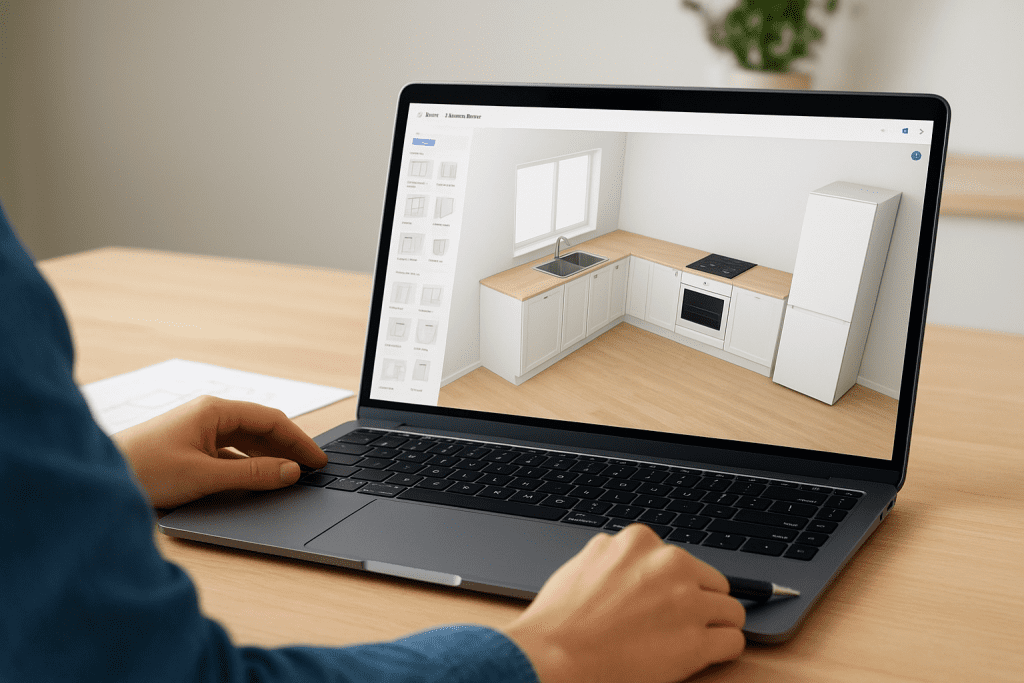
Planning a kitchen renovation starts well before any tradesperson sets foot in your home. The Kaboodle kitchen planner is a free 3D design tool from Bunnings that lets you map out cabinetry, benchtops, and appliance placements from your computer, giving you a realistic visual of your new kitchen before you commit to anything. At Transformer Homes, we handle kitchen renovations across Melbourne’s northern and western suburbs, and we regularly see clients arrive with Kaboodle designs in hand. It’s a genuinely useful starting point, whether you’re going the DIY route or handing the project over to a professional building team. Having a clear layout from the outset makes quoting more accurate and reduces surprises during construction. This guide walks you through how the Kaboodle planner works, step by step, from setting up your room dimensions to exporting a final design you can actually build from. What the Kaboodle kitchen planner does and what you need The Kaboodle kitchen planner is a browser-based 3D design tool hosted on the Bunnings website. It lets you drag and drop cabinet units, benchtops, and appliances into a custom room shape, then switch to a 3D view to see how the finished kitchen will look. You do not need to download any software to get started, though saving your project requires a free Bunnings account. What the planner covers Inside the tool, you can browse the full Kaboodle product range, including base cabinets, wall cabinets, pantry units, benchtops, and doors across a range of finishes and colours. You set your room dimensions, position windows and doors, and experiment with different layouts, including L-shapes, U-shapes, and galley configurations. Once you are happy with the design, the planner generates a parts list with product codes you can take directly to a Bunnings store or use to order online. The parts list is one of the most useful outputs from the planner, as it removes the guesswork from quoting and ordering materials. What you need before you start Before you open the tool, gather a few key details so you can move through the design process without stopping. Having accurate room measurements and confirmed appliance sizes upfront saves significant time. You also need to identify any fixed elements in your kitchen that cannot move, such as a load-bearing wall, a gas point, or a plumbing stack. These constraints shape your layout options before you place a single cabinet in the planner. What you need Why it matters Room dimensions (length, width, height) Sets the base room shape in the planner Window and door positions and sizes Ensures cabinets fit around existing openings Appliance dimensions (oven, fridge, dishwasher) Reserves the correct clearance in your layout A free Bunnings account Required to save and share your design Step 1. Measure your kitchen and set up a project Accurate measurements are the foundation of any reliable kitchen design. Before you open the Kaboodle kitchen planner, spend 20 minutes with a tape measure recording every dimension you need. Entering wrong figures early means every cabinet placement after that point is off. How to measure your kitchen Measure the full length of each wall at bench height, then record the ceiling height and note where windows, doors, and any fixed services sit along each wall. Write each measurement down on a rough sketch as you go. Getting the window and door positions right at this stage prevents you from designing a cabinet run that physically cannot fit your space. Use this checklist to make sure you have everything before you start: Total wall lengths (all four walls) Window position from each corner, plus width and height Door position from each corner, plus width and swing direction Ceiling height Location of power outlets, gas points, and plumbing Setting up your project Once your measurements are ready, log in to your free Bunnings account and open the planner. Select "New Project," enter your room dimensions, then place windows and doors where they sit on your sketch. You now have an accurate shell to build your layout from. Step 2. Build the layout with cabinets and clearances With your room shell set up, you can start placing cabinets. Open the product panel in the Kaboodle kitchen planner and work from the floor up: base cabinets first, then wall cabinets, then any tall pantry units. This order keeps the layout logical and reduces the need to reposition items later. How to place cabinets Drag each cabinet unit from the product panel to its position along your walls. The planner snaps units together automatically, so runs of cabinets align without manual adjustment. Start with your longest uninterrupted wall, then work around corners and appliance spaces. Use this placement order to keep things organised: Base cabinets along the longest wall Corner units where two runs meet Appliance gaps (oven, fridge, dishwasher) Wall cabinets above base runs Tall pantry or tower units Clearances to get right Clearances are where many first-time designs go wrong. You need at least 900mm between facing cabinet runs to allow two people to move past each other, and a minimum 600mm between the cooktop and any overhead cabinet. The planner will show you if units overlap, but it will not automatically flag clearance issues, so check these manually before you finalise anything. Measure your clearances in the top-down view before switching to 3D, as it is the most accurate perspective for spacing. Step 3. Choose finishes and test your design in 3D Once your cabinet layout is in place, you can apply door finishes, benchtop materials, and colour combinations to see how the kitchen will actually look. This step is where the Kaboodle kitchen planner shifts from a technical exercise into something you can genuinely react to and refine. Selecting door and benchtop finishes Open the finishes panel and select a door style and colour for your cabinets. Kaboodle offers options including gloss, matte, and textured finishes across neutral and bolder tones. Apply a benchtop material alongside your door choice to see how the two

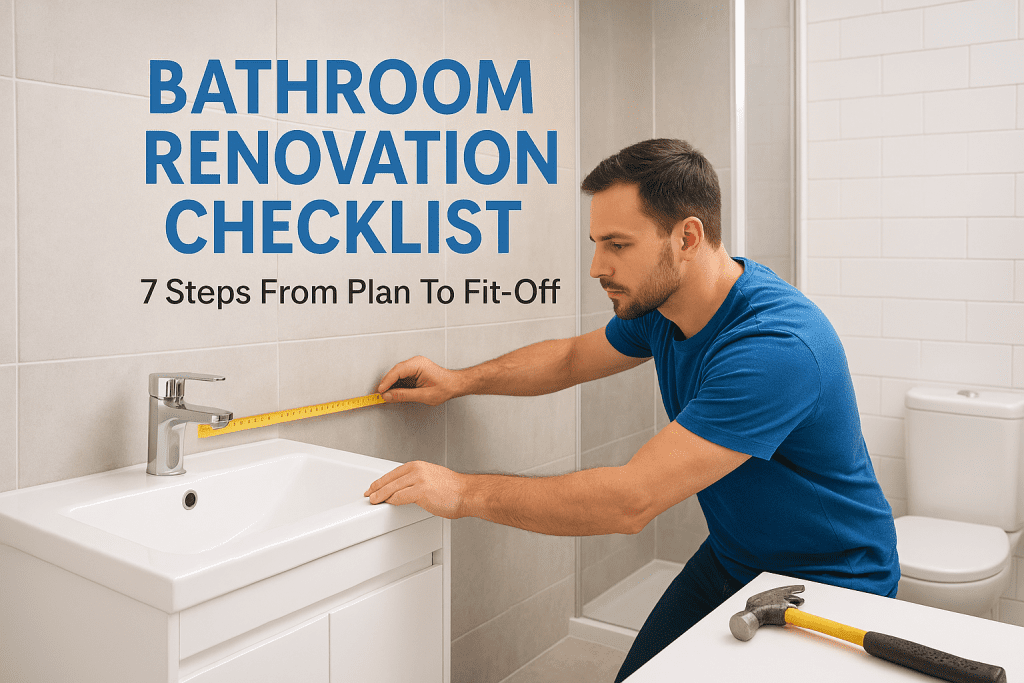
Bathroom Renovation Checklist: 7 Steps From Plan To Fit-Off
Uncategorized

Bathroom Renovation Checklist: 7 Steps From Plan To Fit-Off

A bathroom renovation can go sideways fast, blown budgets, surprise plumbing issues, weeks of delays, and most of the damage happens before a single tile gets laid. The difference between a smooth project and a stressful one almost always comes down to preparation. That’s exactly why having a solid bathroom renovation checklist matters. It keeps every decision, trade, and material selection on track from day one. At Transformer Homes, we’ve managed hundreds of bathroom renovations across Melbourne’s northern and western suburbs. We’ve seen what happens when homeowners skip steps, and we’ve built our process around making sure nothing gets missed. Whether you’re working with us or tackling the planning yourself, this guide gives you a clear, practical framework to follow. Below, we break down the seven steps that take a bathroom renovation from initial planning through to fit-off, covering budgets, design decisions, permits, trades, and the details that are easy to overlook until they become expensive problems. Each step builds on the last, so you’ll know exactly what to do and when to do it. Consider this your go-to reference for the entire project. 1. Decide if you need a builder-led renovation The very first decision shapes everything else on your bathroom renovation checklist. Before you pick a tile or call a plumber, you need to work out whether your project is a simple cosmetic refresh or a full structural renovation, because that distinction changes who you need, what approvals apply, and what the whole thing will cost you. What this step covers This step is about scope clarity. A cosmetic update, swapping tapware, repainting walls, or replacing a vanity, can often be handled by individual trades you coordinate yourself. A renovation that moves walls, relocates plumbing, or creates a new wet area from scratch requires a registered builder in Victoria under the Domestic Building Contracts Act. In Victoria, any domestic building work valued over $10,000 must be carried out under a major domestic building contract with a registered building practitioner. Your checklist Work through these questions before committing to any approach: Is your project structural? Moving walls, altering floor levels, or waterproofing a new wet area all require builder oversight. Will your plumbing or drainage relocate? Any change to pipe positions needs a licensed plumber and may trigger a building permit. What is your total estimated spend? Projects above $10,000 activate registration and contract requirements under Victorian law. Do you have time to manage trades yourself? Self-coordinating means you book, schedule, and troubleshoot every subcontractor directly. Decisions that affect cost and timeline Keeping your existing layout is the single most effective way to control cost at this stage. The moment you move a toilet, shower, or basin, you’re paying for new drainage runs, extended waterproofing, and additional labour hours. Builder-led projects carry overhead, but they reduce your coordination burden and provide statutory warranty protections under the Domestic Building Contracts Act, which matters if something goes wrong six months after completion. Questions to ask your trades or builder Ask these before you sign anything: Are you registered with the Victorian Building Authority for domestic building work? What contract type applies to this project, and what does it include? Who takes responsibility for permits and inspections? How do you manage scope changes once the build is underway? 2. Measure the space and lock the layout Once you know who is managing your project, your next priority is to confirm the exact measurements and lock in your layout before anyone orders a product. Getting this wrong means fixtures that don’t fit, layouts that can’t drain correctly, and costly re-orders. What this step covers This step is about establishing your floor plan and identifying the fixed constraints of your space. Ceiling height, door swing, window position, and existing plumbing stack locations all determine what is physically achievable within the room. Your checklist Before finalising any selections on your bathroom renovation checklist, record these key measurements: Floor dimensions: Measure length and width at multiple points, walls are rarely perfectly square. Ceiling height: Confirm clearance for ceiling-mounted fixtures or recessed lighting. Door and window positions: Mark swing arcs and sill heights on your floor plan. Existing drain locations: Note the floor waste, toilet rough-in, and basin drain positions. Wall stud positions: Identify these before planning any wall-hung fixtures or niches. Decisions that affect cost and timeline Keeping your floor waste in its current position is the fastest way to protect your timeline. Moving a toilet rough-in or floor drain requires cutting concrete, extended plumbing labour, and additional drying time before any tiling can begin. Moving a single floor waste point can add $1,500 to $3,000 to your renovation budget in Melbourne. Questions to ask your trades or builder Ask your plumber or builder to confirm these points before finalising your layout: Can the existing drainage support the new configuration without relocation? What is the minimum fall required to the floor waste under AS/NZS 3500? 3. Set your budget and contingency With your layout confirmed, you need a realistic budget before committing to anything on your bathroom renovation checklist. Skipping this step is how projects stall halfway through or end up cutting corners on materials that matter. What this step covers This step is about setting a total spend figure and building in a contingency buffer for the unexpected costs that almost every renovation uncovers. Behind walls and under floors, problems like rotted framing, old waterproofing failures, or outdated wiring regularly surface once demolition begins. Budget a minimum 15% contingency on top of your quoted renovation cost to cover hidden defects and scope changes. Your checklist Before you approve any quotes, record each cost category separately so you can track where your total budget is allocated: Total project budget: Confirm your maximum spend, including design fees, trades, and materials. Contingency reserve: Set aside at least 15% of your budget above material allowances. Fixture and finish allowances: Assign a dollar figure per category, tiles, tapware, vanity, and toilet suite. Trade costs: Get itemised quotes from each

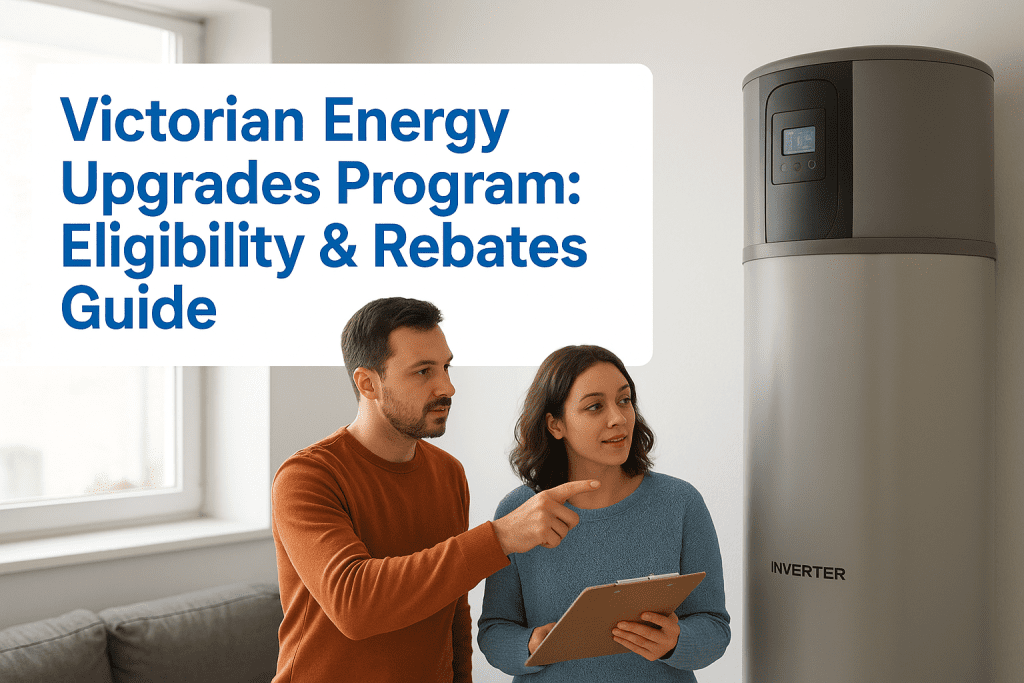
Victorian Energy Upgrades Program: Eligibility & Rebates Guide
Uncategorized

Victorian Energy Upgrades Program: Eligibility & Rebates Guide

If you’re renovating, building, or simply upgrading your Melbourne home, the Victorian Energy Upgrades program could save you a significant amount on energy-efficient improvements. Run by the Victorian Government, this scheme provides discounted products and services, from insulation and heating to hot water systems, designed to reduce both your energy bills and your environmental footprint. But figuring out what you’re actually eligible for, what rebates are available, and how to access them isn’t always straightforward. There’s a fair bit of misinformation floating around, and the program details have evolved over the years. Getting clear, accurate answers matters, especially when you’re already investing in a renovation or new build and want to maximise every dollar. At Transformer Homes, we work with homeowners across Melbourne’s northern and western suburbs on everything from full home renovations to new custom builds. Energy efficiency is a practical consideration in every project we take on, and programs like the VEU directly affect the decisions our clients make. This guide breaks down how the program works, who qualifies, and what rebates are currently on offer so you can make informed choices for your next project. Why the Victorian Energy Upgrades program matters Energy costs in Victoria have climbed steadily over the past decade, and most households absorb those costs without realising there’s a government-backed scheme designed to reduce them. The Victorian Energy Upgrades program has been running since 2009 and operates as a certificate-based system, where accredited providers earn certificates by delivering approved energy-efficient upgrades. Those certificates are sold to energy retailers, who are legally required to purchase them. That structure is what allows providers to pass the savings directly on to you, often at little or no upfront cost. What it means for your household bills Switching to an efficient reverse-cycle air conditioner, upgrading to LED lighting, or installing a high-performing hot water system can cut your annual energy bills noticeably. Depending on the upgrades you choose, eligible households can save hundreds of dollars per year on running costs. The savings are not a one-off discount. Efficient appliances reduce what you spend on energy every single year they operate. Your actual savings depend on your home’s size, your current equipment, and which upgrades you install. Even a single change, like replacing an old electric storage hot water system with a heat pump, can reduce your hot water energy use by up to 65%. Why timing matters for renovations and new builds If you’re already planning a home renovation or new build, the VEU program becomes especially relevant. Incorporating eligible upgrades during construction is almost always cheaper than retrofitting them later, and you can combine VEU discounts with your existing build budget rather than funding them separately. Here are the project stages where VEU upgrades deliver the most value: During a kitchen or bathroom renovation, when appliances and hot water systems are already being replaced At the frame stage of a new build, when insulation is easiest to install During a home extension, when heating and cooling systems are being reassessed for the new floor plan How eligibility works for homes and businesses The Victorian Energy Upgrades program is open to both residential and commercial properties across Victoria. Eligibility doesn’t hinge on your income level – it’s primarily based on your property type, your location, and which equipment you’re replacing or upgrading. Residential eligibility For homeowners and renters, the core requirement is that the upgrade takes place at a Victorian residential property. You don’t need to own the home in every case – certain upgrades are available to renters, provided the landlord approves the installation. The property must generally be an existing dwelling, though some product categories also apply to new construction. Renters should confirm with their landlord before contacting an accredited provider, as the property owner may need to sign off on the work. Eligible residential property types include: Freestanding houses Townhouses and units Apartments (subject to strata approval for some upgrades) Business eligibility Small businesses based in Victoria can also access the scheme for approved commercial upgrades. Eligible improvements for businesses typically cover lighting systems and refrigeration equipment. The pathway mirrors the residential process – you engage an accredited provider who manages the certificate side of things on your behalf, keeping the administrative burden off your plate. What rebates and discounts you can get in 2026 The Victorian Energy Upgrades program continues to offer meaningful discounts in 2026 across several approved product categories. Rather than a cash payment sent directly to you, the scheme works by allowing accredited providers to reduce the upfront price you pay for eligible products and installations, making energy-efficient choices more financially accessible. Residential upgrade categories For homes, the approved categories cover a broad range of common household equipment that has a direct impact on your energy bills. Heat pump hot water systems – replacing electric storage units Reverse-cycle air conditioners – replacing gas heaters or older inefficient models Ceiling insulation – for homes with little or no existing coverage LED lighting upgrades – replacing halogen or fluorescent fittings The discount size varies depending on your existing equipment and the specific upgrade being installed, so always confirm final pricing with your accredited provider before committing. How much you can save The actual savings you receive depend on the type and size of the upgrade you choose. Installing a heat pump hot water system, for example, can attract a discount of several hundred dollars off the retail price, making it one of the highest-value upgrades currently available. Ceiling insulation and LED lighting tend to offer smaller but still worthwhile discounts, particularly when combined with other upgrades during a single renovation project. How to access VEU discounts step by step The process for accessing the Victorian Energy Upgrades program is more straightforward than most people expect. You don’t deal with the government directly. Instead, accredited providers handle the certificate process on your behalf, which keeps your side of the transaction simple. Find an accredited provider Your first step is locating a provider

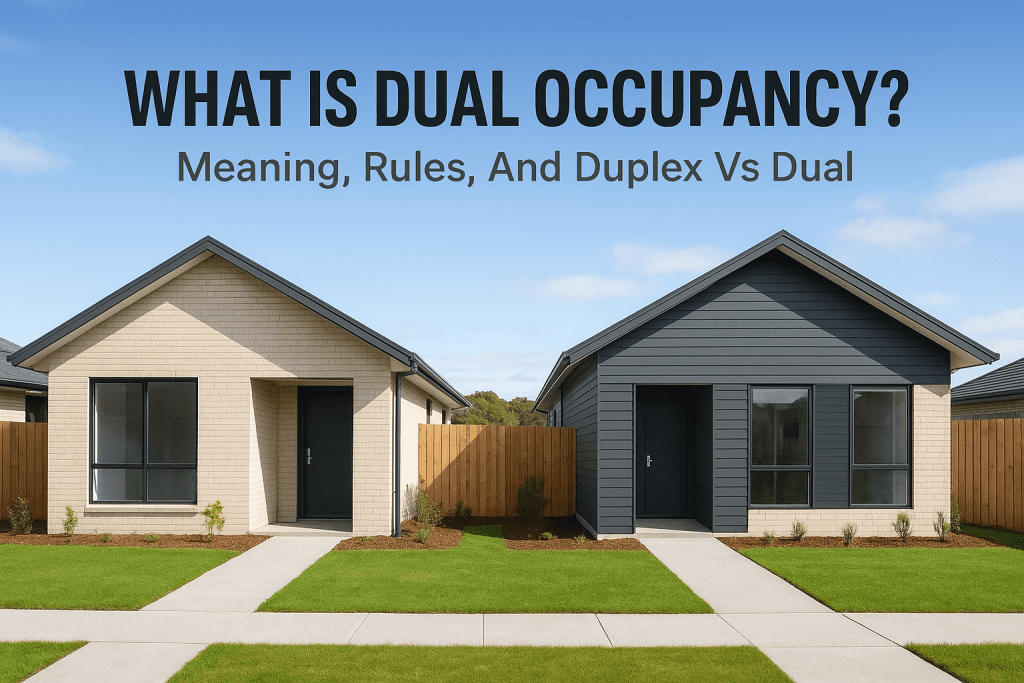
What Is Dual Occupancy? Meaning, Rules, And Duplex Vs Dual
Uncategorized

What Is Dual Occupancy? Meaning, Rules, And Duplex Vs Dual

If you’re researching property options in Melbourne, you’ve probably come across the term "dual occupancy", and wondered what it actually means. It’s one of those terms that gets thrown around in real estate and planning conversations, but rarely gets a straight explanation. In simple terms, dual occupancy refers to two separate dwellings built on a single block of land. But there’s more to it than that, including how it differs from a duplex, what council rules apply, and whether it’s the right move for your property. These details matter, especially if you’re weighing up how to make the most of your block in Melbourne’s northern or western suburbs. At Transformer Homes, we design and build dual occupancy developments across Melbourne, working with homeowners and landowners who want quality construction without the cookie-cutter approach. This guide breaks down the meaning, the rules, and the key differences you need to know before making any decisions. What dual occupancy means in Australia In the Australian context, dual occupancy refers to a development where two separate dwellings are built on a single parcel of land. Both homes sit on the same title, and the arrangement is commonly used by homeowners who want to house family members on the same block, generate rental income, or simply maximise the value of land they already own. Understanding what is dual occupancy at a foundational level helps you work out whether it suits your situation before you speak to a builder or planner. Dual occupancy is one of the most practical ways to get more from land you already own, without needing to go through a full subdivision. The two main forms of dual occupancy Dual occupancy developments in Australia come in two main forms. An attached dual occupancy features two dwellings that share a common wall, much like what many people picture when they think of a duplex. A detached dual occupancy involves two completely separate structures on the same lot, such as a house at the front and a purpose-built dwelling at the rear. The form you can build depends on your block size, site orientation, and zoning rules that apply in your area. In Melbourne’s northern and western suburbs, detached rear developments are a popular choice because many established blocks are deep enough to accommodate a second dwelling without compromising the existing home. How dual occupancy is defined under Victorian planning law In Victoria, dual occupancy falls within a specific planning framework that varies by zone and council. Your local planning scheme determines whether a dual occupancy is permitted outright or whether you need a planning permit before works begin. Most residential zones in Melbourne allow dual occupancy, but lot size minimums and setback requirements differ across suburbs. Victorian planning policy also draws a clear line between dual occupancy and subdivision. You can build two dwellings on one title without splitting the land into two separate lots, though subdivision is an option after construction if you want to sell each dwelling independently. Why dual occupancy matters for homeowners Understanding what is dual occupancy goes beyond the definition once you start looking at what it can do for your financial position. If you own a block in Melbourne’s northern or western suburbs, a dual occupancy development gives you the ability to generate rental income or accommodate family without purchasing a second property. That single fact changes the conversation for a lot of landowners. A dual occupancy development can turn an underused backyard into a long-term income-generating asset. The financial case for dual occupancy Building a second dwelling on your existing block costs significantly less than buying a separate investment property in Melbourne’s current market. Once tenanted, that second dwelling can offset your mortgage repayments or supplement your household income in a meaningful way. For homeowners who want to house ageing parents or adult children nearby, the cost savings compared to purchasing a second property outright are substantial. You also retain ownership of both dwellings on one title, which simplifies your asset management and ongoing holding costs. Beyond the numbers, dual occupancy also increases the long-term flexibility of your land. If your circumstances change, you can subdivide the lots and sell one dwelling independently, keeping the other as your primary residence or as a rental. That kind of exit strategy is not available with most other residential building decisions. How dual occupancy works in practice Once you understand what is dual occupancy in concept, the practical process becomes much clearer. A dual occupancy project typically moves through three stages: design and planning, approvals, and construction. Each stage requires input from you, your builder, and in most cases your local council. From site assessment to design Your project starts with a site assessment to determine what your block can support. Your builder or draftsperson will look at your lot dimensions, existing structures, and the zoning rules that apply in your suburb. From there, a design is produced that works within those constraints, whether that means an attached dwelling sharing a wall or a detached home at the rear of the block. Getting the design right at this stage saves significant time and money once you move into the approvals process. What construction looks like on a dual occupancy site Building two dwellings on a single occupied block requires careful sequencing. In most cases, the existing home stays in use while the second dwelling is constructed, which means your builder needs to manage access, site safety, and works without disrupting your daily life. At Transformer Homes, we coordinate trades and scheduling tightly so that both structures are built to the same standard, not one as a priority and the other as an afterthought. Learn the rules and approvals you will face Understanding what is dual occupancy is only part of the picture. Before any construction begins, you need to work through a set of planning rules and approval requirements that vary depending on your suburb, your block size, and the zone your property sits in. Getting across these

IKEA Kitchen Planner: How To Plan A Kitchen Layout Online
Uncategorized

IKEA Kitchen Planner: How To Plan A Kitchen Layout Online

Planning a kitchen renovation starts long before anyone picks up a hammer. The IKEA Kitchen Planner is a free online tool that lets you design your kitchen layout in 3D, choosing cabinets, benchtops, and appliances, so you can visualise the finished space before spending a cent. Whether you’re mapping out a quick refresh or a full gut-and-rebuild, having a clear layout makes every decision easier. At Transformer Homes, we handle kitchen renovations across Melbourne’s north and west, and we regularly work with clients who’ve already sketched out ideas using tools exactly like this. A well-thought-out plan means fewer surprises once construction begins. In this guide, we’ll walk you through how the IKEA Kitchen Planner works, how to get the most out of it, and what to keep in mind if you’re using it as a starting point for a bigger renovation project. What the IKEA Kitchen Planner is and what you need The IKEA Kitchen Planner is a free, browser-based 3D design tool that lets you build a virtual kitchen using IKEA’s cabinet range. You drag and drop units into a digital room, adjust dimensions, swap finishes, and get a realistic view of how the space will look. It also generates a parts list and estimated cost, which makes it a practical starting point well before you commit to any purchases. The planner runs entirely in your browser, so there’s no software to install and no account required to get started. What the tool actually does Once you input your room dimensions, the planner lets you place base cabinets, wall cabinets, and tall units from IKEA’s METOD range. You can add appliances, choose door styles and colours, and switch benchtop materials. The 3D view rotates freely, so you can check sight lines, corner clearances, and how your chosen finishes interact with the overall space. When you finish, you can save your plan, share it with a builder or partner, and export a full shopping list with item codes. That export is what makes the tool genuinely useful: it bridges the gap between an idea on screen and an actual order at the checkout. What you need before you open the tool Walking in without preparation wastes time. Before you launch the ikea kitchen planner, gather the following: Accurate room measurements: length, width, and ceiling height in millimetres Window and door positions: including which way each door swings Fixed service locations: sink waste pipe, gas point, rangehood exhaust, and power outlets Appliance dimensions: if you’re keeping existing appliances, measure them exactly A clear budget ceiling so you can filter finishes accordingly Having this information ready means you focus on layout decisions rather than stopping to re-measure halfway through. Step 1. Measure your kitchen and map the constraints Good measurements are the foundation of any useful kitchen plan. Before you open the IKEA kitchen planner, spend 20 minutes in your kitchen with a tape measure and notepad. Inaccurate dimensions will push your layout off from the start, and you’ll end up redesigning from scratch once your cabinets arrive. Measure in millimetres, not centimetres. IKEA’s cabinet system works on millimetre increments, and even a 10mm error can mean a unit won’t fit. What to measure Record every dimension that affects where cabinets and appliances can go. Focus on fixed elements that cannot move, and note anything that creates a hard constraint on your layout. Element What to record Floor to ceiling Height in mm Wall lengths Each wall individually Windows Width, height, and sill height from floor Doors Width and swing direction Service points Waste pipe, gas point, power outlets How to map it on paper Sketch the room as a simple floor plan before entering any numbers into the planner. Mark your service locations clearly so you know which walls are restricted. Use this as a quick checklist before moving on: Walls measured and labelled Windows and doors marked with swing direction Gas, water, and power points noted Ceiling height confirmed Step 2. Build the layout with cabinets and clearances With your measurements in hand, open the IKEA kitchen planner and input your room dimensions. Start by placing base cabinets first, as they anchor everything else in the layout. Work around the perimeter before filling in any island or peninsula. Place your sink cabinet directly against the wall where the waste pipe sits, then build outward from there. Start with the work triangle The work triangle connects your sink, cooktop, and fridge. Keeping each leg between 1,200mm and 2,700mm reduces unnecessary movement while you cook. In the planner, place these three points first, then fill the remaining cabinet runs around them. Minimum clearances to follow Tight clearances cause problems once cabinets are installed. Build these into your plan before you add anything else: Area Minimum clearance Between facing cabinet runs 1,200mm In front of oven or dishwasher 900mm for door swing Corner cabinet access 400mm each side Rangehood above cooktop 650mm to 750mm Confirm every clearance in the 3D view by rotating the camera and checking from multiple angles. Tight corners and appliance swing paths are the two spots most plans get wrong. Step 3. Add appliances, worktops, and storage details With your cabinet runs set, the IKEA kitchen planner lets you layer in the details that shape both the look and function of the space. Add appliances first, then worktops, and finally internal storage fittings so each layer informs the next. Confirm every appliance fits inside its allocated cabinet opening before you move on to worktops. Placing appliances and choosing worktops Drop your oven, dishwasher, and rangehood into position from the appliance menu, then verify the clearances from Step 2 still hold. The planner lets you compare laminate, stone-effect, and wood finishes against your chosen door colour in the 3D view. Run through this checklist before moving forward: Oven opening matches your appliance dimensions exactly Rangehood height sits between 650mm and 750mm above the cooktop Worktop overhang set to 40mm on all exposed edges Adding internal storage fittings The planner’s

Scroll to Top