Melbourne’s Premier Custom Home Builders and Remodelers

visit our location by appointment:

Live Innovations 153 High Street,
Thomastown VIC. 3074

Opening Hours:

Mon-Fri 8am-5pm

Uncategorized

Darebin Planning Scheme: What It Covers And How To Use It
Uncategorized

Darebin Planning Scheme: What It Covers And How To Use It

If you’re planning to build, renovate, or develop property in the City of Darebin, the Darebin Planning Scheme is the rulebook you need to understand before lodging a single permit application. It’s the legal framework that determines what you can and can’t do with land across suburbs like Northcote, Preston, Thornbury, and Reservoir, covering everything from zoning classifications to heritage overlays and neighbourhood character requirements. At Transformer Homes, we work with homeowners and developers across Melbourne’s northern suburbs every day. A large share of our custom builds, renovations, and dual occupancy projects fall within Darebin’s municipal boundaries, so we’ve spent years navigating this scheme on behalf of our clients. Understanding how it works, and where the common sticking points are, saves time, money, and frustration during the planning and approval process. This article breaks down what the Darebin Planning Scheme actually covers, how it’s structured, and how you can use it to make informed decisions about your project before you engage a planner or builder. Why the Darebin Planning Scheme matters The Darebin Planning Scheme isn’t a set of guidelines you can choose to follow or ignore. It carries legal weight and applies to every property owner, developer, and builder working within the City of Darebin. If your proposed works require a planning permit and you proceed without one, you risk enforcement action, fines, and mandatory demolition of non-compliant structures. That’s not a risk worth taking, and most banks and conveyancers will flag planning compliance during any property transaction anyway. It controls what you can build and where Whether you need a planning permit depends entirely on what zone your land sits in and which overlays apply to it. Want to add a second dwelling on your block in Reservoir? The scheme will tell you if that’s permitted, what the required setbacks are, and whether council needs to assess the design. The same rules govern home extensions, subdivisions, and changes of use. Without checking the scheme first, you’re making expensive assumptions about what your property can accommodate. The scheme applies to every parcel of land in Darebin, so your property’s specific zone and overlays determine your planning obligations before any other factor. It protects neighbourhood character and heritage Darebin has a significant number of heritage overlay areas across suburbs like Northcote and Thornbury. The Darebin Planning Scheme requires that new works in these areas respect the existing character and built form of the street. Even a straightforward rear extension can trigger additional design requirements and a longer permit assessment process if your property sits within one of these overlays. Knowing this before you draw up plans lets you design smarter and avoid costly revisions mid-project. Your builder needs to understand these requirements just as much as you do. A heritage-sensitive design approach from the outset is far more efficient than submitting plans that council will ask you to revise. What the Darebin Planning Scheme covers The Darebin Planning Scheme is structured around three core components: zones, overlays, and particular provisions. Each layer adds specific requirements to your project. Zones define the broad rules for land use and development intensity, overlays add location-specific controls that sit on top of zoning rules, and particular provisions address situations like car parking, vegetation removal, and subdivision design. Zones and overlays Residential zones across Darebin range from the General Residential Zone (GRZ) to the more restrictive Neighbourhood Residential Zone (NRZ), each setting different height limits, setbacks, and density expectations. Overlays sit on top of these zones and can include heritage, neighbourhood character, or significant landscape controls that shape your design well before council assesses your application. Understanding which zone and overlays apply to your specific property is the first step before committing to any design brief. Particular provisions and local policies The scheme also contains particular provisions that govern specifics like car parking numbers and native vegetation removal. Local planning policies set out council’s design expectations for particular areas, giving you a clearer picture of what assessors look for when reviewing any application you submit. How to look up zoning, overlays and clauses The Victorian Government provides a free tool called Planning Maps Online that lets you search any property address and instantly view its zone, overlays, and applicable scheme clauses. You can access it through the planning.vic.gov.au website. Once you enter your address, the map displays every planning control layered over your property, giving you a clear picture of your obligations before you spend money on plans. Using Planning Maps Online Start by entering your property address into the search field. The tool highlights your zone, such as the General Residential Zone or Neighbourhood Residential Zone, alongside any overlays including heritage or neighbourhood character controls. Clicking each layer opens a summary of what that control requires, with links through to the full Darebin Planning Scheme clauses hosted on the same platform. Always check both the zone and every overlay that applies to your property before committing to a design brief. Reviewing the overlay details directly also tells you whether a planning permit is required for your specific works or whether an exemption applies, which can significantly affect your project timeline and design brief. Reading the scheme clauses Once you’ve identified your zone and overlays, navigate to the relevant clauses in the scheme text. Each clause sets out permit triggers, exemptions, and decision guidelines that council uses when assessing your application. Reading these directly removes guesswork about permit requirements and helps you design with the rules in mind from the start. How the scheme affects common home projects The Darebin Planning Scheme shapes nearly every residential project in the municipality, from small rear extensions to multi-dwelling developments. Understanding how it applies to your specific project type helps you plan realistic timelines and budgets before you commit to any design brief. Extensions and additions Adding a room or extending your kitchen often triggers permit requirements depending on your zone and any overlays. In a Neighbourhood Residential Zone, height limits and setbacks are stricter than in
Whittlesea Planning Scheme: Maps, Zones, Overlays Explained
Uncategorized

Whittlesea Planning Scheme: Maps, Zones, Overlays Explained

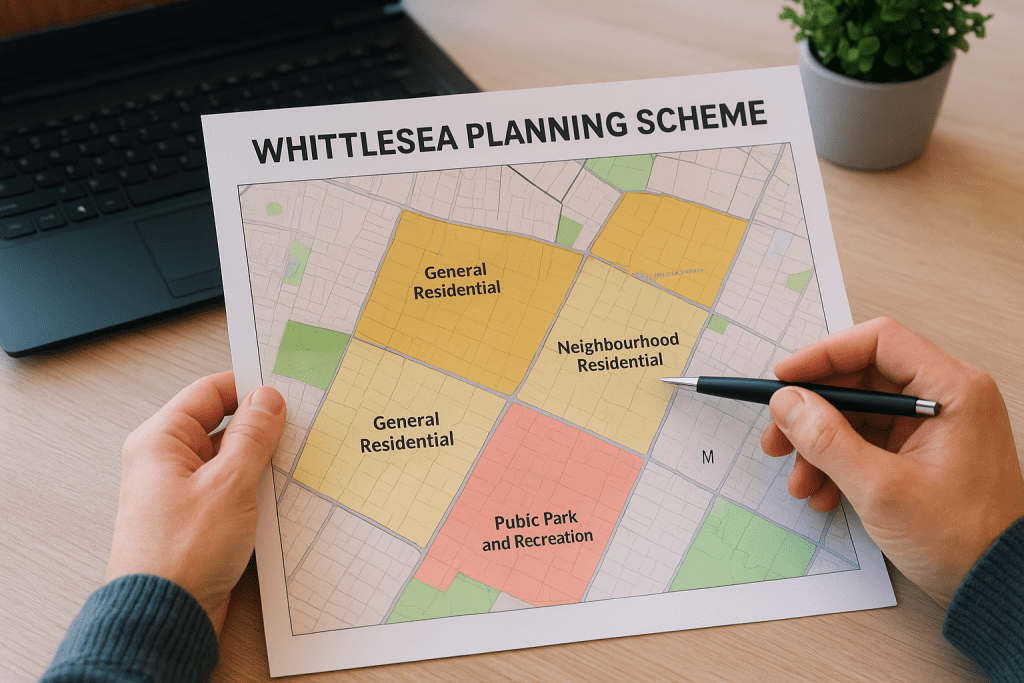
If you’re planning to build, renovate, or develop property in the City of Whittlesea, the Whittlesea Planning Scheme is the document that determines what you can and can’t do with your land. It sets out the zones, overlays, and local policies that shape every planning permit application, from a rear extension on an existing home to a full dual occupancy development. Understanding this scheme matters because getting it wrong costs time and money. A proposal that doesn’t align with the relevant zone provisions or overlay controls will likely face objections, conditions, or outright refusal from council. At Transformer Homes, we build custom homes, renovations, and dual occupancy projects across Melbourne’s northern suburbs, including the City of Whittlesea. We deal with these planning controls on a regular basis, so we know how they affect real projects on real blocks of land. This article breaks down the key components of the scheme, including its maps, zones, and overlays, so you can walk into your next project with a clear picture of what the planning framework actually requires. We’ll also cover recent amendments and reviews that may affect your property. What the Whittlesea Planning Scheme controls The Whittlesea Planning Scheme operates under Victoria’s Planning and Environment Act 1987 and sits within the Victoria Planning Provisions (VPP) framework. It applies to the entire municipality and governs every land use decision, subdivision, and building project that requires a planning permit. The scheme doesn’t just tell you what you can build; it tells you how, where, and under what conditions. Land use and development standards Every parcel of land in Whittlesea sits within a zone that dictates the permitted uses for that land. Residential zones, for example, specify whether you can add a second dwelling, how high a structure can be, and what setback distances you need from property boundaries. The General Residential Zone (GRZ) and Neighbourhood Residential Zone (NRZ) are the two most common zones in established suburbs, and each comes with different limits on density and building height. If your land sits in a Neighbourhood Residential Zone, council applies stricter controls on height and site coverage than in a General Residential Zone, which directly affects your design options from the outset. Overlays and local policies Overlays sit on top of zones and add an extra layer of requirements that apply to specific properties. These controls address particular characteristics of the land rather than general land use. In Whittlesea, common overlays include: Vegetation Protection Overlay (VPO): restricts removal of significant trees without a permit Heritage Overlay (HO): applies to properties with recognised historical or architectural significance Flood Overlay (LSIO/SBO): triggers additional requirements for properties in flood-prone areas Development Contributions Plan Overlay (DCPO): applies to growth corridor land subject to infrastructure levies Local planning policies then guide how council’s decision-makers assess your application, covering matters such as neighbourhood character, sustainable design outcomes, and open space requirements. Why it matters for building and renovating The Whittlesea planning scheme directly shapes what you can build, how large it can be, and whether you need a planning permit in the first place. Before you commission a designer or start pricing builders, understanding your zone and overlay situation can save you thousands of dollars in design fees spent on a proposal that council will never approve. Skipping the planning check early is one of the most common and costly mistakes property owners make before starting a project. Permit triggers and design constraints Your zone determines which projects trigger a planning permit requirement and which can proceed under permitted development rights. A rear extension in a General Residential Zone might not need a permit at all, but the same project on land covered by a Heritage Overlay almost certainly will. Overlays also impose specific design standards that your architect or building designer must address from the start, not as an afterthought once plans are drawn. Common situations where your zone or overlay directly affects your project include: Dual occupancy proposals that fall outside the allowable density for a Neighbourhood Residential Zone Extensions that exceed height or setback limits without a permit to vary them Tree removal on land subject to a Vegetation Protection Overlay How to find the right maps, zones and overlays The Victorian Government provides a free online tool called Planning Maps Online that gives you instant access to the zone and overlay information for any property in the state. Enter your property address and the map displays every planning control that applies to your land. Checking your zone before speaking to a designer takes under five minutes and can fundamentally shape the brief you give them. Using Planning Maps Online Planning Maps Online is hosted by the Department of Transport and Planning and covers all Victorian municipalities, including Whittlesea. Once you locate your property, click any zone or overlay to read the relevant scheme provisions directly. The tool links through to the full planning scheme text, so you can check permit triggers without leaving the site. Look for these when you open your property in the tool: Your zone (e.g. General Residential Zone, Neighbourhood Residential Zone) Any overlays that apply to the land The clause numbers for each control Downloading the scheme documents For a detailed read of the Whittlesea planning scheme, use the Planning Schemes Online portal maintained by the state government. Zone clauses and overlay provisions sit within the same document, and you can search by clause number to find exactly what applies to your project. Both the zone and overlay documents also reference any incorporated documents that form part of the scheme, such as local structure plans or development contribution frameworks that affect growth-area land in Whittlesea. How to interpret zones and overlays for your project Once you identify your zone and overlays, you need to understand what each control requires before assessing whether your project is feasible. The Whittlesea planning scheme uses specific language: "as of right" means no permit is needed, "permit required" means council must assess your application, and "prohibited" means

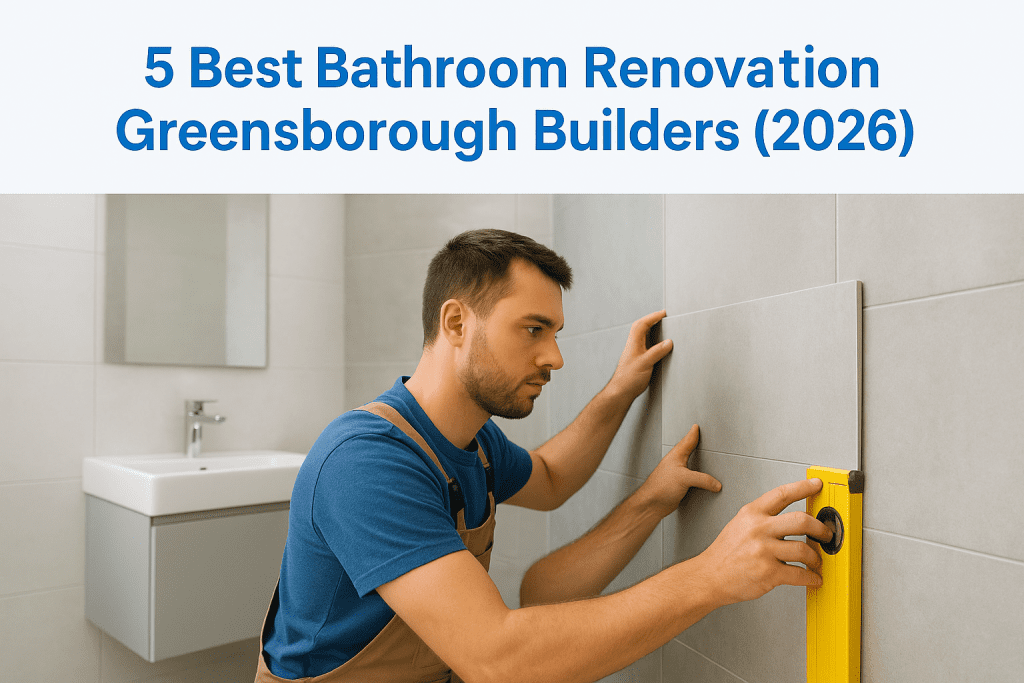
5 Best Bathroom Renovation Greensborough Builders (2026)
Uncategorized

5 Best Bathroom Renovation Greensborough Builders (2026)

A dated bathroom can drag down the entire feel of your home, and if you’re searching for a bathroom renovation Greensborough specialist, you already know it’s time for a change. Whether it’s cracked tiles, poor layout, or a space that simply doesn’t work for your family anymore, the right builder makes all the difference between a stressful project and a smooth one. Choosing a renovation company isn’t just about price. You need a team that communicates clearly, delivers quality workmanship, and actually follows through on what they promise. That’s something we take seriously at Transformer Homes, where our approach to bathroom renovations across Melbourne’s northern suburbs is built on transparency, high-end inclusions, and genuine project management. To help you compare your options, we’ve put together this list of the five best bathroom renovation builders in Greensborough for 2026. Each company has been selected based on reputation, quality of work, and real client feedback, so you can make a confident decision. 1. Transformer Homes Transformer Homes is a Melbourne-based residential builder with a strong track record in the northern suburbs, including Greensborough and surrounding areas. Their work spans full home builds through to targeted bathroom renovation Greensborough projects, making them a versatile choice for homeowners at any stage of planning. What they focus on The team at Transformer Homes focuses on custom residential construction and renovation, with particular strength in delivering high-end finishes that go beyond what most volume builders include as standard. Their approach prioritises clear communication and professional project management from the first consultation right through to handover. Bathroom renovation services and scope Transformer Homes handles complete bathroom overhauls, including layout changes, waterproofing, tiling, fixture selection, and full fitout. They manage all trades directly, so you deal with one point of contact rather than coordinating multiple contractors yourself. Working with a builder who manages every trade under one roof significantly reduces the risk of delays and miscommunication on your project. What sets them apart for Greensborough homes Their Titanium Difference commitment means your renovation includes inclusions and build quality that typically cost extra elsewhere. They also bring local knowledge of Melbourne’s northern suburbs, which helps them navigate council requirements and site-specific challenges efficiently. Typical project cost and timeline expectations A standard bathroom renovation with Transformer Homes typically starts from $20,000 AUD, with mid-range projects sitting between $25,000 and $40,000 depending on size and finishes. Timelines generally run between four and eight weeks from sign-off to completion, subject to material lead times. What to ask them in your first consult Bring your ideas, photos, and any floor plan measurements you have available. Key questions to raise include what is covered in the quoted price, how they handle variations mid-project, and what their preferred waterproofing and tiling specifications look like. 2. Now Bathrooms Now Bathrooms is a Melbourne-based wet area renovation specialist with a dedicated focus on bathroom and ensuite projects across the northern suburbs, including Greensborough. Their targeted trade expertise suits homeowners who want specialists rather than a general builder handling their renovation. What they focus on Now Bathrooms concentrates entirely on wet area renovations, covering bathrooms, ensuites, and laundries. This focused scope means their team has deep familiarity with waterproofing compliance, drainage requirements, and space-efficient layouts specific to these rooms. Bathroom renovation services and scope Their service covers full demolition and fitout, including waterproofing, tiling, vanities, shower screens, and plumbing fixtures. They work with both existing layouts and redesigned floor plans, depending on what your space requires. A specialist who works exclusively on wet areas tends to bring tighter quality control to waterproofing, which is one of the most critical elements of any bathroom renovation Greensborough homeowners should prioritise. Standout features and process Now Bathrooms uses a structured three-stage process: consultation and design, documentation, then construction. This keeps each phase clearly defined and reduces surprises mid-project. Typical project cost and timeline expectations Projects typically start from $15,000 AUD, with mid-range renovations between $18,000 and $30,000. Timelines generally run three to six weeks from commencement. What to ask them in your first consult Ask about their waterproofing warranty specifics and whether quotes include all trade work. Clarifying what happens if tile selections go out of stock mid-project is worth raising early. 3. BP Building Concepts BP Building Concepts is a Melbourne-based renovation builder with a solid reputation across the northern suburbs, including Greensborough. They take on residential renovation projects of varying scale, from single-room refreshes through to larger structural works. What they focus on BP Building Concepts focuses on general residential renovations, covering bathrooms, kitchens, and extensions. Their broad service range suits homeowners who want multiple areas updated under one coordinated project rather than managing several separate contractors. Bathroom renovation services and scope Their bathroom renovation work covers full strip-out, waterproofing, tiling, and fitout, handling both standard refreshes and more involved layout changes. For any bathroom renovation Greensborough project, they can work within your existing footprint or reconfigure the space based on your needs. Confirming that your builder handles waterproofing compliance directly, rather than subcontracting it without oversight, protects you from costly repair issues down the track. Standout features and process BP Building Concepts is known for practical client communication and keeping projects moving without unnecessary delays. They coordinate all trades directly, which keeps quality control consistent from start to finish. Typical project cost and timeline expectations Bathroom renovations generally start from $12,000 AUD, with mid-range projects sitting between $18,000 and $28,000. Timelines typically run four to seven weeks depending on scope and material availability. What to ask them in your first consult Ask whether they manage council permits for any structural changes involved, and confirm what trade licences their team members carry before work begins. 4. Jim’s Bathrooms Jim’s Bathrooms is part of the well-known Jim’s Group franchise network and operates across Melbourne, including Greensborough. The franchise model gives them broad service reach and consistent operating standards, making them a recognisable option for homeowners who prefer working with an established brand. What they focus on Jim’s Bathrooms focuses

Bathroom Renovation Coburg: Costs, Timeline & Builder Tips
Uncategorized

Bathroom Renovation Coburg: Costs, Timeline & Builder Tips

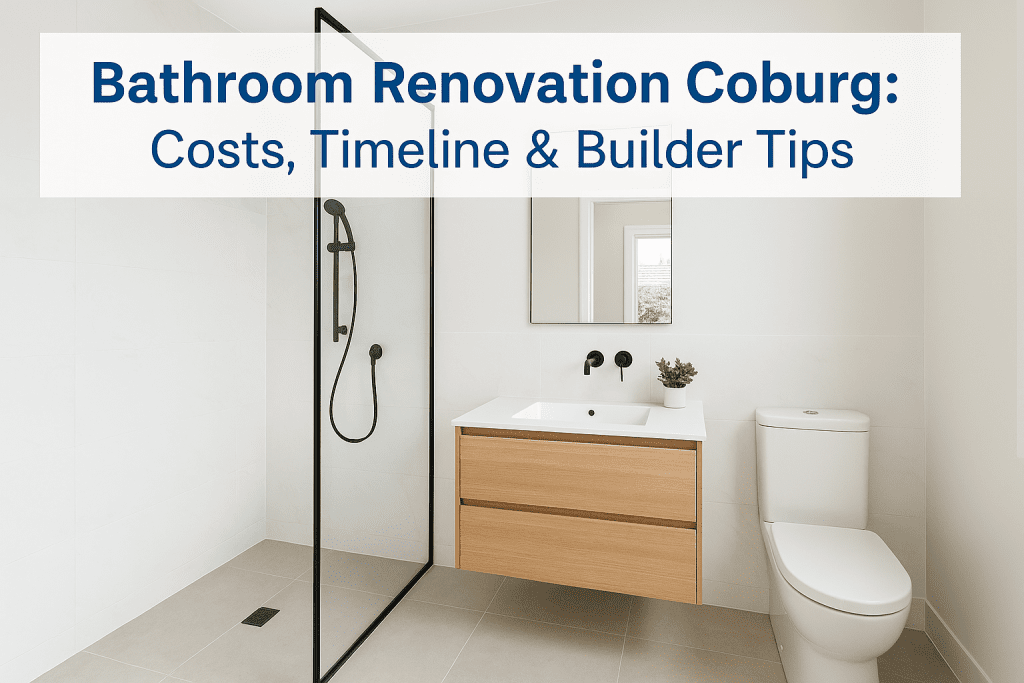
If you’re planning a bathroom renovation in Coburg, you’re probably juggling a dozen questions at once. How much will it actually cost? How long will the whole process take? And how do you find a builder who won’t cut corners or disappear halfway through? These are fair concerns, and ones worth answering before a single tile gets pulled off the wall. Coburg’s mix of older weatherboard homes, post-war brick builds, and newer townhouses means no two bathroom renovations look the same. Plumbing configurations, structural limitations, and council requirements can vary from one street to the next. That’s where working with a builder who knows Melbourne’s inner north makes a real difference. At Transformer Homes, we’ve built our reputation across the northern suburbs by delivering renovations that hold up, in quality, budget, and timeline. This guide breaks down the real costs, realistic timeframes, and practical tips for getting your Coburg bathroom renovation right. Whether you’re refreshing a compact ensuite or gutting a full family bathroom, you’ll walk away with a clear picture of what’s involved and what to expect from your builder at every stage. What a Coburg bathroom renovation involves A bathroom renovation in Coburg covers far more than swapping fixtures and repainting walls. From the moment you strip out the old bathroom to the final inspection, you’re coordinating trades, materials, approvals, and timelines across several weeks. Understanding what the process actually involves helps you plan properly and avoid the surprises that blow out budgets and stress levels. The typical scope of work Most bathroom renovations break down into a predictable sequence of work, even if the details shift by property. A full renovation typically includes demolition, waterproofing, tiling, plumbing, electrical, cabinetry, and fixture installation. Partial renovations, like a cosmetic refresh, might skip structural changes but still require a licensed plumber and electrician for any fixture work under Victorian building regulations. Here’s what a standard full renovation covers: Demolition and waste removal Waterproofing (mandatory under Australian Standards AS 3740) Rough-in plumbing and electrical Wall and floor tiling Installation of vanity, toilet, shower, and bath Cabinetry, mirrors, and accessories Final fit-off and building inspection Waterproofing is not optional in Australia. All wet areas must be waterproofed by a licensed tradesperson before any tiling begins, and this work is subject to inspection. What makes Coburg homes different Many Coburg properties were built before modern plumbing layouts became standard, which means your existing pipes may run in unexpected locations inside walls or under concrete slabs. Older homes often have cast-iron or galvanised steel pipes that need full replacement before new fixtures can go in. A bathroom renovation Coburg builder who knows the local housing stock will identify these issues at the quoting stage rather than after demolition begins, and that timing makes a significant difference to your final cost. Step 1. Set your scope, budget and cost drivers Before you call a builder, you need a clear picture of what you want done and how much you’re willing to spend. Defining your scope early stops you from making costly decisions under pressure and gives builders enough detail to quote accurately rather than build in padding for unknowns. Define your renovation scope Write down every element you want to change, from the shower screen to the exhaust fan. Split your list into must-haves and nice-to-haves so builders can quote against a clear baseline and you know exactly where to cut if costs come in high. A basic scope template: Must-have: new shower, floor tiles, vanity, toilet suite Nice-to-have: heated towel rail, underfloor heating, custom cabinetry Understand your cost drivers For a bathroom renovation Coburg project, the biggest cost variables are layout changes and waterproofing extent. Moving a drain or toilet means relocating pipes, which adds significant labour costs. Keeping fixtures in their current positions is the fastest way to control spend. A cosmetic refresh in Melbourne’s inner north typically costs $10,000-$20,000, while a full structural renovation runs $25,000-$45,000 or more. Your material choices also push costs up quickly. Large-format tiles and custom vanities cost considerably more than standard ranges, so set a firm materials budget before you start browsing. Step 2. Lock in layout, finishes and approvals Once your budget is set, finalise your layout and choose your finishes before work starts. Mid-renovation changes add delays and cost, so locking in every decision upfront keeps your project on schedule. Confirm your layout first Keeping existing plumbing positions saves significant money on a bathroom renovation Coburg project. If your current layout functions well, leave it as-is. If you need to move a toilet or shower, confirm the change during quoting so the plumbing cost is included from the start, not discovered during demolition. Common layout changes that add cost: Relocating the toilet pan or drain Moving the shower to a different wall Adding a bath where none previously existed Choose finishes before work begins Your tile selections, vanity, and tapware must be confirmed before your builder books trades or orders materials. Use a finishes schedule to track every product: Item Supplier Product code Colour Floor tile Wall tile Vanity Tapware A finishes schedule protects you contractually by recording exactly what was agreed and priced. Check if you need a building permit Most cosmetic bathroom renovations don’t require a planning permit under Victorian building regulations. However, if you’re altering structural elements or drainage locations, your builder should confirm whether a building permit is required before work begins. Skipping this check can result in failed inspections and costly rectification work, so clarify permit requirements at the quoting stage rather than after demolition. Step 3. Choose a builder and sign a clear contract Choosing the right builder for your bathroom renovation Coburg project protects your budget, your timeline, and your final result. You want a builder who is licensed, insured, and experienced with Melbourne’s inner-north housing stock, not someone quoting blind on a property type they have never worked on before. How to vet a builder Ask every builder you consider for their Victorian Building Authority (VBA)

5 Best Dulux Bathroom Paint Options For Walls And Ceilings
Uncategorized

5 Best Dulux Bathroom Paint Options For Walls And Ceilings

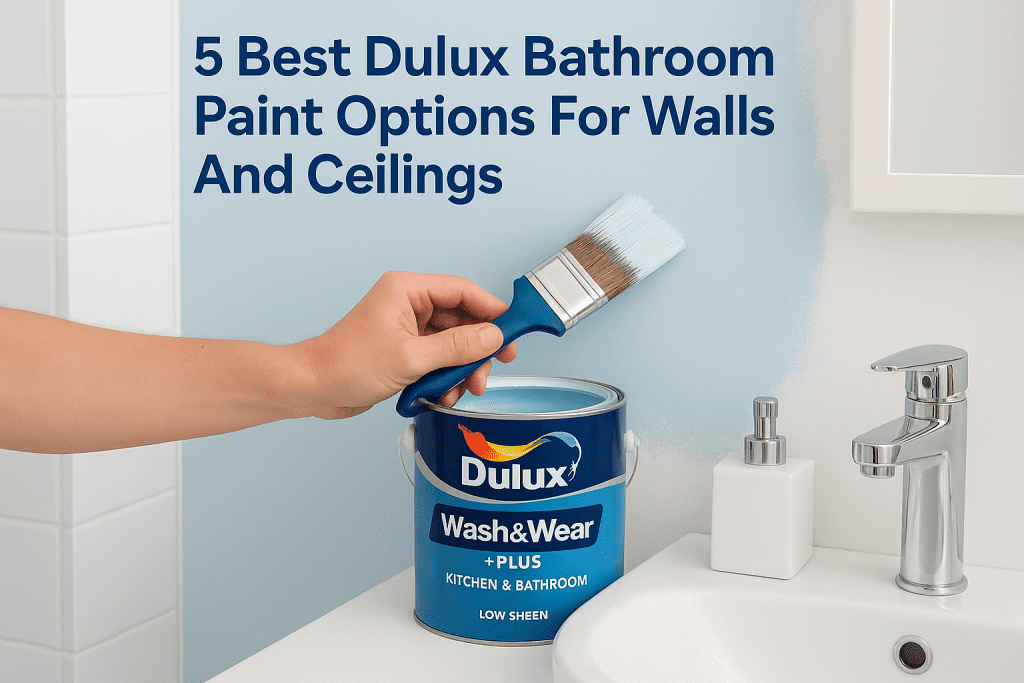
Choosing the right Dulux bathroom paint can make or break your renovation. Bathrooms cop constant moisture, steam, and temperature swings, so a standard wall paint won’t cut it. You need a product that resists mould, handles humidity, and still looks sharp years down the track. At Transformer Homes, we’ve painted our fair share of bathrooms and kitchens across Melbourne’s northern and western suburbs. Through hundreds of builds and renovations, we’ve seen firsthand which Dulux products perform and which ones start peeling within months. That hands-on experience shapes every recommendation in this guide. Below, we’ve rounded up five of the best Dulux bathroom paint options for walls and ceilings, covering everything from low sheen and semi-gloss finishes to purpose-built moisture-resistant formulas. Each pick includes the details you actually need: where to use it, what finish to expect, and why it works. 1. Dulux Wash&Wear +PLUS Kitchen & Bathroom Low Sheen This is the most versatile dulux bathroom paint in the Dulux range and our go-to recommendation for most bathroom wall projects. It’s specifically formulated for high-moisture environments, and it backs that up with real durability across the hundreds of renovations we’ve completed across Melbourne. Best for This product suits homeowners who want a reliable, all-round solution for bathroom and kitchen walls. It works best when your bathroom sees heavy daily use or has limited natural ventilation. Finish and look The low sheen finish sits between a flat and semi-gloss, giving walls a clean, soft appearance without magnifying every surface imperfection. It reads as modern and understated, which suits both contemporary renovations and period-style homes found throughout Melbourne’s inner north and west. Mould and moisture protection Dulux builds active mould inhibitors into this formula, which resist mould and mildew growth directly on the paint film. This matters in bathrooms where steam and condensation settle on walls every day. The mould resistance works on the paint film itself, so it doesn’t replace proper ventilation or fixing any underlying moisture problems inside your walls. Where to use it in a bathroom Apply it to bathroom walls and splashback zones that don’t sit directly inside a shower recess or bath wet area. It bonds well to plasterboard, plaster, and previously painted surfaces that are clean and structurally sound. Application notes and prep You’ll get the best finish with two coats applied over a properly prepared surface. Clean the walls, fill any holes, and sand them smooth before you start. If you’re painting over a dark colour or raw plaster, apply a quality primer first to ensure even coverage and proper adhesion. 2. Dulux Wash&Wear +PLUS Kitchen & Bathroom Semi Gloss When you want higher reflectivity and easier surface cleaning, this is the dulux bathroom paint to reach for. It shares the same moisture-resistant formula as the low sheen version but delivers a noticeably brighter finish. Best for This product suits smaller bathrooms or any space where you want surfaces to feel brighter and more open without committing to a high-gloss look. Finish and look The semi-gloss sheen reflects light more than the low sheen option, which makes compact bathrooms feel larger. That said, it will highlight surface imperfections, so wall prep matters more here. Mould and moisture protection Like the low sheen version, this paint carries built-in mould inhibitors that resist mould growth directly on the paint film in humid, steamy conditions. Proper ventilation still does most of the heavy lifting; paint alone won’t solve an underlying condensation problem. Where to use it in a bathroom Use it on bathroom walls outside wet areas, particularly in spaces with low natural light where the reflective finish adds genuine value. Application notes and prep Fill, sand, and prime the surface before applying two coats. The higher sheen will show any inconsistencies in your prep work, so take your time on this step. 3. Dulux Ceiling White +PLUS Kitchen & Bathroom Most people overlook the ceiling, but it’s one of the most vulnerable surfaces in a bathroom. Steam rises and settles there first, making it a prime spot for mould. This dedicated dulux bathroom paint product targets that exact problem with a formula built specifically for overhead surfaces in wet areas. Best for This product suits bathroom and kitchen ceilings that take the full force of daily steam and condensation. It’s purpose-built for the job, so you won’t need to reach for a general-purpose ceiling paint that wasn’t designed for high-humidity conditions. Finish and look The flat white finish hides roller marks and minor surface irregularities well. It delivers a clean, bright overhead surface that reflects light evenly without any sheen that could draw attention to imperfections. Mould and moisture protection Dulux formulates this paint with built-in mould inhibitors that resist mould growth directly on the paint film. Bathroom ceilings are typically the first place mould appears, so this targeted protection makes a real difference over time. Good ventilation still prevents the underlying moisture buildup that causes mould to grow behind the paint film. Where to use it in a bathroom Apply it to bathroom and kitchen ceilings only. The formula is not designed for wall surfaces, so keep it overhead. Application notes and prep Two coats over a primed or previously painted surface gives the best result. Fix any water stains or peeling patches before you start. 4. Dulux Renovation Range for bathroom tiles and wet-area surfaces If your bathroom tiles look dated but a full retile isn’t in your budget, this dulux bathroom paint product offers a practical way forward. The Dulux Renovation Range bonds directly to tiles, laminate, and glass without requiring you to strip or demolish the existing surface. Best for This product suits homeowners who want to refresh wet-area surfaces without a full renovation. It works particularly well in older bathrooms where tiles are structurally sound but visually outdated. Finish and look The finish is smooth and hard-wearing, sitting closer to a semi-gloss that mimics the appearance of a freshly tiled surface. It comes in a range of colours, so you can

Scroll to Top