
BLOG
Why Site Conditions, Soil Movement and Drainage Matter When Building a New Home in Melbourne
The ground beneath a new Melbourne home is part of the structural design. Soil can expand, contract, settle or retain water, and those conditions influence the type of footing system needed to support the building.
Victoria has extensive areas of expansive soil. The Building and Plumbing Commission reports that about half of Victoria's surface consists of expansive soils, which swell when moisture increases and shrink as they dry.
This is why soil testing and drainage cannot be treated as minor site preparation matters. They affect footing design, excavation, plumbing and how the completed house responds to seasonal changes in ground moisture.
Soil Classification Determines How Footings Are Designed
Before a new home is built, foundation data is required to establish the conditions beneath the proposed building. Consumer Affairs Victoria describes foundation data as information based on soil testing that helps determine the required footing system and the depth of elements such as stumps.
Residential sites can receive classifications ranging from relatively stable ground through to highly reactive clay and problem sites.
Common classifications include A for sites with little or no expected ground movement, S for slightly reactive clay, M for moderately reactive soil, H1 and H2 for highly and very highly reactive clay, and E for extremely reactive sites. A P classification can apply where conditions prevent normal classification, including some sites with fill or abnormal moisture conditions.
The classification matters because the footing system must respond to the expected movement.
A house on stable ground does not necessarily require the same footing design as one constructed over highly reactive clay. Footing systems used for houses can include stiffened raft slabs, waffle slabs, strip footings, pads and other engineered systems depending on the site and building.
The soil report therefore needs to be considered before the footing design is finalised, rather than after the house itself has already been designed in detail.
Reactive Clay Changes as Moisture Levels Change
Reactive clay does not remain at a constant volume.
When moisture enters the soil, the clay can swell. During dry conditions, it can shrink. If those changes occur unevenly around a building, different sections of the footing can move by different amounts.
This movement can eventually show up inside the home as cracking, distorted openings or doors and windows that begin sticking. The Building and Plumbing Commission identifies changing soil moisture as a major cause of foundation movement, alongside factors such as settlement, erosion and tree roots.
Some footing movement is expected and residential footing standards allow for tolerances. The objective is not to create a structure that can never move. The footing system is designed to perform within the conditions established for the site.
Problems can arise when those conditions change significantly after construction.
For example, one side of a house may remain unusually wet because of leaking drainage while another side becomes very dry. On reactive soil, that moisture difference can produce uneven ground movement beneath the building.
Drainage Is Part of Foundation Performance
A correctly engineered slab does not remove the need for effective site drainage.
Research into Victorian slab heave has identified stormwater drainage deficiencies as a significant contributor to foundation problems. AS 2870, the Australian Standard covering residential slabs and footings, includes drainage considerations for reactive sites because moisture around the building can affect ground movement.
Water should not continually collect beside the house.
The Building and Plumbing Commission recommends that soil, paving, paths and garden areas fall away from the building. Gutters, taps, hoses, hot water systems, air conditioning drainage and other potential sources of leaks should also be maintained so they do not repeatedly saturate soil beside the footings.
Drainage becomes particularly significant on clay because low-permeability soil can retain water. Victorian research into building moisture disputes has identified saturated clay soils creating hydrostatic pressure, along with problems associated with inadequate perimeter drainage and garden areas positioned close to footings.
Sanitary drainage also needs to accommodate ground conditions. Victorian plumbing guidance notes that reactive soil expands and contracts with changing moisture and that drainage systems in unstable, filled or water-charged ground may require appropriate bedding and support.
Trees, Landscaping and Leaks Can Alter Ground Conditions
Foundation conditions do not stop changing when construction finishes.
Large trees can influence moisture levels around a house as their roots draw water from the soil. Excessive irrigation can have the opposite effect by keeping one area significantly wetter than surrounding ground.
This is why planned landscaping should be considered during the design of a new home rather than treated as completely separate from construction.
Trees that will remain near the proposed house should be identified before footing design. The Building and Plumbing Commission recommends informing the builder about trees that will be retained, planted or removed so the engineer can take them into account.
Leaking plumbing can create similar problems. Water escaping beneath or beside a building can increase the moisture content of expansive soil and intensify swelling. Victorian research into expansive soils specifically identifies compromised plumbing lines as a factor capable of amplifying soil expansion.
Site Investigation Should Happen Before Construction Decisions Are Locked In
Two Melbourne blocks of similar size can require different foundation solutions because the conditions beneath them are different.
Slope, soil composition, fill, rock, groundwater and existing site conditions can all affect excavation and footing design. Consumer Affairs Victoria specifically identifies slope and soil type as land characteristics that influence building design and construction cost.
The soil report also needs to correspond with what is actually uncovered during excavation. Consumer Affairs Victoria states that soil report samples must be checked against the excavated foundations before concrete is poured.
For a new Melbourne home, the sequence matters. Site investigation establishes the ground conditions. Those conditions inform the footing design. Drainage is then planned to help maintain suitable moisture conditions around the completed building.
Treating soil, footings and drainage as connected parts of the same building system provides a much stronger basis for designing a home that responds properly to its site.



DISCOVER WHAT OUR CUSTOMERS HAVE TO SAY ABOUT US
REVIEWS
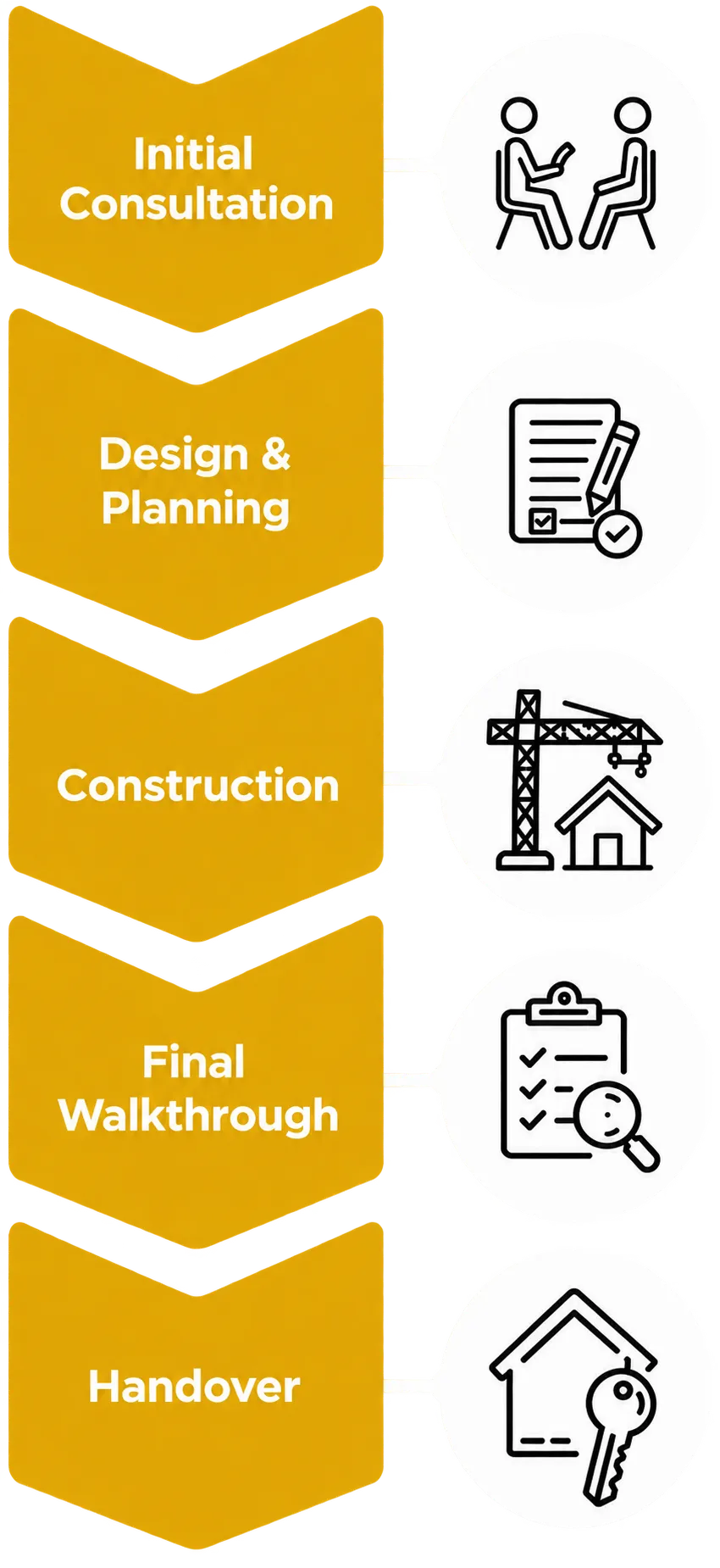
our process
Our process is simple and only contains a few simple steps

SERVICE AREAS
proudly serving Thomastown
Coburg
Reservoir
Preston
Thomastown
Oak park
Tullamarine
Heidelberg
Bundoora
Kingsbury
Brunswick
Pascoe vale
Moonee ponds
Ascot vale
Keilor
Sunshine
Maidstone

frequently asked questions
Find clear answers to the questions we’re asked most often.
How does the repair process work?
Once you contact Appliance Repair Solutions, a technician will discuss the issue with you and arrange a suitable inspection time. The problem is diagnosed on site, and clear advice is provided before any repair work begins. The goal is to complete repairs efficiently while keeping communication straightforward throughout the process.
How quickly can I book a technician?
Service availability depends on your location and the type of appliance issue. In many cases, same day or next day bookings may be available across Sydney. The team aims to respond promptly and provide flexible scheduling where possible.
Do you provide quotes before starting repairs?
Yes. After assessing the appliance and identifying the fault, you will receive clear information about the recommended repair and expected costs. This helps customers make informed decisions before approving any work.
What should I do before the technician arrives?
It helps to clear access around the appliance and make note of any error codes or unusual behaviour. If possible, have the appliance model number available as this can assist with diagnosing the issue faster. The technician will guide you through anything else needed when confirming the booking.
What should I do before the technician arrives?
It helps to clear access around the appliance and make note of any error codes or unusual behaviour. If possible, have the appliance model number available as this can assist with diagnosing the issue faster. The technician will guide you through anything else needed when confirming the booking.
proudly serving Baulkham Hills
Homebush
Gladesville
Leichhardt
North Sydney
Mosman
Box Hill
Marsden park

Trusted & Accredited Plumbers


READY TO take the next step?
get a free quote TODAY!
TRANSFORMER HOMES
153 High Street Thomastown
